
Introduction: Why the Numbers Matter
Tree transplantation is often perceived as an aesthetic choice — a way to add instant impact or preserve legacy. But the economic implications are just as compelling. For developers, institutions, and landowners, transplanted trees offer not just beauty but significant financial value. This post breaks down the real costs, hidden savings, and long-term benefits of investing in tree relocation versus removal and replanting from scratch.
Upfront Costs: What Are You Paying For?
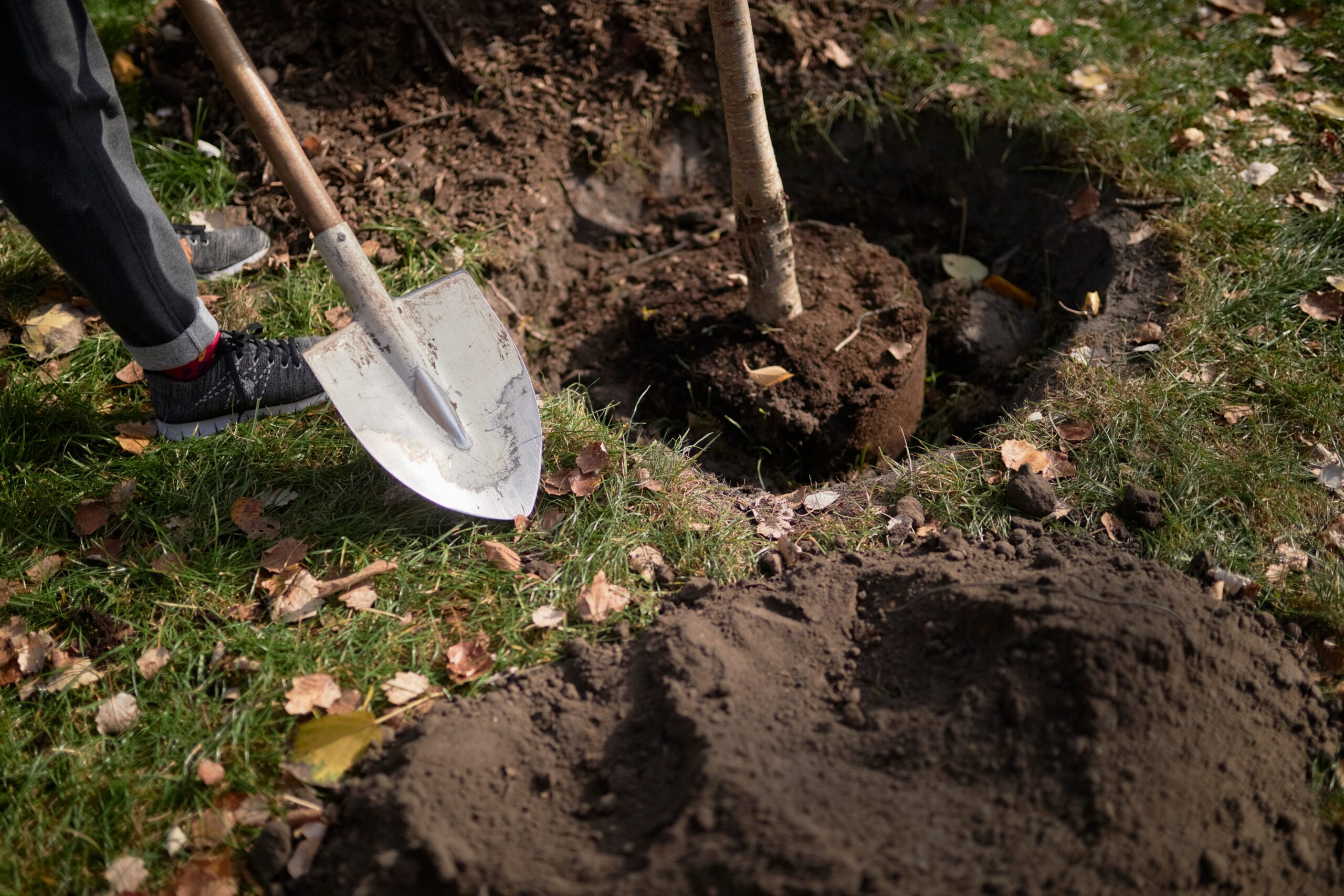
Transplanting a mature tree typically includes site assessment, root pruning (often six to twelve months prior), excavation, craning, transport, replanting, and aftercare. Depending on size, species, and access, costs range from $2,000 to over $50,000. While this may sound steep, it must be compared against the replacement cost of a comparable specimen tree — or the long-term value lost by removing one.
Cost Factors That Influence Pricing
Several variables affect transplant costs: tree size and species, distance moved, site access (for cranes or loaders), seasonal timing, root preparation length, soil condition, and aftercare needs. Permits and utilities clearance can also impact budgets. Working with experts like Environmental Design, Inc. ensures these variables are managed for safety, efficiency, and survival rate.
Replacement Costs for Mature Trees
Buying a nursery-grown 30-foot tree (if available) can cost tens of thousands of dollars — not including installation, staking, and irrigation. Even then, the visual maturity and ecological function of a transplanted tree are superior. Smaller nursery trees may cost less, but they require years to establish and provide functional value. For many projects, replacing a mature tree simply isn’t an option.
The Time Value of Mature Trees
Trees take time to become valuable. Transplanting eliminates that wait. A 20-year-old oak moved today provides the same shade, privacy, and aesthetic tomorrow — while a new tree may take decades to match it. In commercial real estate, this translates into faster lease-ups, increased property value, and tenant satisfaction. In residential settings, mature trees have been shown to increase home sale prices by up to 15%.
Avoiding Demolition-Related Losses
In urban redevelopment or institutional expansions, site preparation often involves tree clearing. But removing legacy trees can spark public backlash, permit delays, and reputational risk. Transplanting preserves canopy while unlocking site access. It also demonstrates environmental responsibility, which resonates with regulators, investors, and the public.
Tax Credits and Municipal Incentives
Many cities offer tax benefits or permit relief for tree preservation. In some cases, developers can reduce mitigation fees or earn density bonuses by saving mature canopy. Tree relocation supports these goals and may qualify for green infrastructure credits or even federal incentives when paired with stormwater mitigation or urban forestry programs.
Longevity and Maintenance Costs
Properly transplanted trees have high survival rates — and when established, they often require less water and chemical treatment than young saplings. With the right soil preparation and aftercare, many trees exceed their projected lifespan post-transplant. Maintenance plans tailored to species and site keep costs predictable and low compared to repeated replanting or losses from failed nursery stock.
Value in Resale, Leasing, and Branding
Mature trees enhance curb appeal, placemaking, and brand identity. In hospitality, healthcare, and higher education, trees can differentiate experience and influence long-term loyalty. For commercial developments, landscapes with mature trees lease faster and sell at a premium. Even signage and marketing benefit — photos of finished landscapes with real trees signal stability, success, and permanence.
Environmental Economics: ROI from Ecosystem Services
A single mature tree provides ecosystem services worth $100–$500 annually through energy savings, air quality improvement, carbon sequestration, erosion control, and water retention. Multiply that over decades and across a development site, and the savings rival mechanical infrastructure investments. Tree relocation is one of the most financially efficient sustainability choices on the market.
Public Relations and ESG Impact
For institutions and developers prioritizing Environmental, Social, and Governance (ESG) goals, tree transplantation is low-hanging fruit. It showcases ecological care, cultural respect, and long-term stewardship. Campaigns tied to tree preservation often generate local media, donor engagement, and community goodwill — outcomes that are hard to quantify but extremely valuable.
Strategic Scenarios Where Transplantation Makes Sense
Relocating trees is most economically compelling when:
- The tree holds heritage or legal protection
- The species is no longer commercially available
- The site design revolves around a key tree
- Permits require canopy preservation
- The tree adds immediate branding or placemaking impact
- It offsets replanting costs or long-term landscaping maintenance
Calculating Net Present Value of Tree Assets
Some cities and campuses maintain tree inventories with assessed financial value. Tree appraisals based on trunk diameter, species, condition, and site contribution can be factored into asset valuations. Relocating such trees protects that investment. This is especially important in insurance claims, capital budgeting, or legacy estate planning.
Cost Comparison: Transplant vs. Remove and Replace
For a mid-size tree, transplanting may cost $10,000–$25,000. Removing and replacing with a similar nursery tree can be $5,000–$15,000 — but with no guarantee of survival or maturity. When factoring in the loss of canopy function, replanting delay, and aesthetic inconsistency, the transplant option often comes out ahead in lifecycle value.
The Role of Trees in Commercial Asset Value
Mature trees are often overlooked as commercial assets, yet they directly influence how a property is perceived, valued, and used. Shade alone can influence dwell times in retail or outdoor hospitality environments. Consumers are more likely to frequent shopping areas with large canopy coverage, perceiving them as safer, more comfortable, and more inviting.
The Psychological Value of Established Trees
While difficult to assign a dollar amount, the psychological effect of mature trees is enormous. In residential design, canopy correlates with reduced stress, higher satisfaction, and increased neighborhood cohesion. In offices and campuses, they contribute to health and productivity — translating into financial performance.
Institutional Impact: Legacy Trees as Donor Magnets
At universities and hospitals, mature trees serve as legacy anchors. Preserving or relocating these trees can generate donor interest and alumni goodwill. In many capital campaigns, naming opportunities tied to landscapes (e.g., oak grove donor path) generate significant fundraising momentum.
Developer Advantages in Market Positioning
In competitive housing markets, transplanted trees help differentiate offerings. Buyers associate mature trees with prestige, comfort, and stability. Developers can command lot premiums or faster sales by preserving or relocating trees into high-visibility lots or streetscapes.
Hotel and Resort ROI: Tree-Backed Luxury
In hospitality, transplanted trees contribute to first impressions. They shade arrival zones, frame views, and create immersive outdoor rooms. Clients frequently report increased bookings and guest satisfaction scores tied directly to landscape maturity and experience.
Mitigation Savings through Relocation
Instead of planting five-to-one mitigation trees for every tree removed, some jurisdictions allow one-for-one replacement via relocation. This not only saves acreage but improves results by protecting existing biodiversity and root systems.
Financial Planning: Budgeting Tree Relocation Strategically
Relocation should be budgeted early — ideally during entitlement and site planning — not left for value engineering. The return on investment compounds when tree protection is coordinated before demolition, trenching, or grading activities begin.
Market Perception and Community Approval
Community members notice when trees are saved. We’ve seen projects overcome NIMBY pushback because developers chose to move, not remove, key trees. Transplanting often serves as a gesture of goodwill, especially on projects involving public land, schools, or parks.
Climate Resilience as a Risk Management Tool
Mature trees are better at withstanding drought, wind, and flooding. Their extensive roots support slope stability and stormwater infiltration — reducing infrastructure burdens and improving outcomes under extreme weather conditions.
Reappraisal, Depreciation, and Real Estate Holdings
Mature trees can influence appraisal value. In certain jurisdictions, landscape features can be amortized or depreciated as capital assets. This has long-term implications for institutional owners, REITs, and public-private partners managing tax exposure.
Final Considerations for Long-Term Investment
Tree transplantation delivers immediate performance, long-term returns, and broad stakeholder value. The cost may seem high, but its value is enduring. It’s not just a tree — it’s equity in the landscape.
At Environmental Design, Inc., we help clients assess the real economics of relocation and make decisions that strengthen projects for decades to come.


Recent Comments