

Why TPC Sawgrass Becomes the Center of the Golf World Every March
Every March, the golf world turns its attention to TPC Sawgrass, home of The Players Championship. As one of the most iconic venues on the PGA Tour, the course is famous for its dramatic finishes, strategic design, and unforgettable holes.
Behind the scenes, creating a world-class TPC course involves much more than bunkers and greens. The landscape itself plays a critical role in shaping the experience for players, spectators, and viewers around the world.
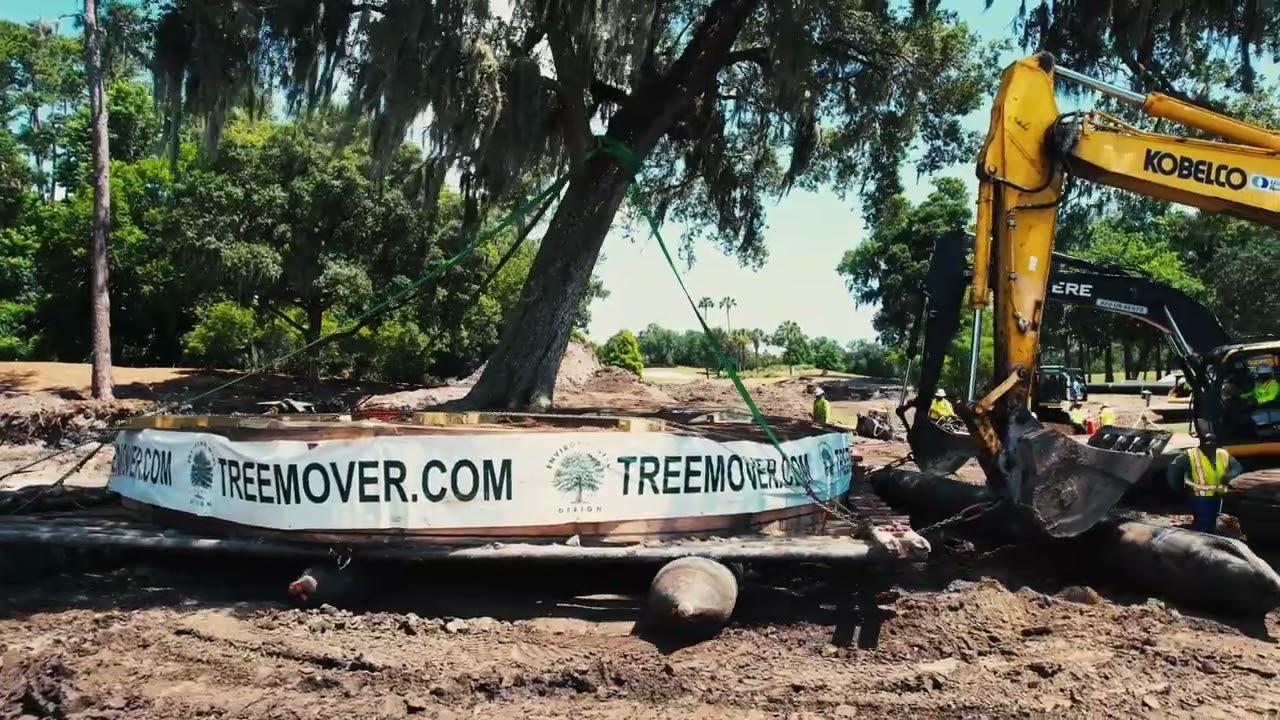
At TPC Sawgrass, that landscape includes carefully preserved and relocated mature trees. The process required specialized expertise from Environmental Design, Inc., a company known for relocating large trees for major developments, golf courses, and institutional landscapes.
What Is a TPC Course?
TPC stands for Tournament Players Club, a network of golf courses designed specifically to host PGA Tour events. Unlike many traditional golf courses, a TPC course is designed with both professional players and spectators in mind.
These courses combine competitive shot-making challenges with viewing areas that allow fans to experience the tournament atmosphere up close. The goal is to create a venue that tests the best golfers in the world while also providing an unforgettable environment for fans attending the event.
Defining Characteristics of a TPC Course
Several features distinguish a TPC course from a typical golf course design.
- Strategic risk and reward hole layouts challenge players to make thoughtful decisions rather than relying solely on power
- Carefully sculpted fairways and greens create subtle challenges that can dramatically affect play
- Advanced drainage and turf systems allow the course to perform consistently during major tournaments
- Landscape design plays a major role in shaping both the aesthetics and strategy of the course
TPC Sawgrass is widely considered the flagship property in the TPC network and has set the standard for modern tournament course design.
The Vision Behind TPC Sawgrass
TPC Sawgrass was designed by legendary golf course architect Pete Dye, whose work is known for its strategic complexity and visual intimidation.
Dye believed golf should be mentally and physically challenging. Rather than rewarding distance alone, his courses force players to carefully consider angles, hazards, and placement.
This philosophy is visible throughout TPC Sawgrass. Many holes appear simple at first glance, yet subtle slopes, water hazards, and bunker placement create constant decision points for players.
The surrounding landscape plays an equally important role in shaping strategy and the overall visual experience.
Preserving the Landscape at TPC Sawgrass
When a golf course undergoes improvements or redesigns, the surrounding environment must be carefully managed to maintain the course’s identity.
At TPC Sawgrass, preserving the mature tree canopy was a critical part of maintaining the visual character of the course.
Instead of removing important trees during course improvements, many were relocated using specialized tree-moving techniques. This approach allowed the course to maintain its natural beauty while supporting updates to the layout.
Environmental Design, Inc. performed this work, bringing extensive expertise in relocating large trees while protecting their long term health and stability.
How Tree Moving Protects the Character of a Golf Course
Mature trees are essential to the identity of many golf courses. They define fairways, frame tee shots, and influence how holes are played.
When a course undergoes improvements or adjustments to accommodate modern play, some trees may need to be moved instead of removed.
- Tree relocation allows designers to preserve the established landscape of the course
- Maintain the visual character golfers expect
- Avoid losing decades of natural growth
- Support course redesign while protecting the surrounding environment
At TPC Sawgrass, this approach helped maintain the course’s iconic look while allowing updates that keep the course competitive for professional tournaments.
The Technology Behind Moving Large Trees
Relocating mature trees is far more complex than simply digging and replanting them. The process requires specialized equipment, careful planning, and expertise in arboriculture.
Environmental Design, Inc. uses proprietary methods and advanced equipment designed to protect the tree’s root system and ensure long-term survival.
Patented ArborLift® Technology
One of the technologies used in large tree relocation is Environmental Design, Inc.’s patented ArborLift® system. This specialized tree-moving technology allows extremely large trees to be safely lifted, transported, and replanted while protecting the integrity of the root ball.
The ArborLift® system distributes weight evenly during the lifting process and minimizes stress on the tree structure. This makes it possible to relocate trees that might otherwise be lost during construction or landscape improvements.
By using patented ArborLift® technology, Environmental Design, Inc. is able to move mature trees with precision and care, preserving landscapes that have taken decades to grow.
Key Steps in Professional Tree Relocation
- Root preparation is often completed months before the tree is moved to encourage new root growth
- The tree and its root ball are carefully excavated to maintain structural stability
- Heavy equipment or cranes are used to transport the tree to its new location
- The tree is precisely replanted and stabilized, followed by irrigation and monitoring
When executed properly, transplanted trees can continue thriving for decades.
Strategic Tree Placement and Course Design
Trees play a major role in how golfers approach each hole on a TPC course. They influence shot selection, define fairway corridors, and shape the visual perspective players see from the tee box.
Even subtle adjustments in tree placement can alter the strategy of a hole.
Certain tee shots require players to navigate between tree lines, creating risk and reward decisions that make the course more dynamic. Maintaining these natural elements is one reason tree relocation can be such an important part of golf course improvements.
The Importance of the 6th Tee at TPC Sawgrass
While the famous island green on the seventeenth hole receives much of the attention during The Players Championship, other areas of the course present unique challenges for players.
The 6th tee at TPC Sawgrass demonstrates how design, landscape, and strategy come together.
From this tee box, golfers must carefully evaluate the angle of their shot and the surrounding hazards. Tree placement and course shaping guide the visual line of play and subtly influence decision-making before the player even swings the club.
These details contribute to what makes TPC Sawgrass such a compelling venue for professional golf.
Designing for Spectators and Television
Another defining feature of a TPC course is how it accommodates large crowds and television broadcasts.
During The Players Championship, tens of thousands of fans move through the course each day. Designers must balance spectator access with the integrity of the course layout.
The surrounding landscape, including tree placement, helps create natural viewing corridors while maintaining the strategic challenges players face.
This design approach produces the dramatic visual experience that fans enjoy both on-site and on television.
Why Mature Trees Matter on Championship Courses
Mature trees provide far more than aesthetic value on a golf course. They influence wind patterns, define sight lines, and create a sense of scale that younger landscapes cannot match.
By relocating mature trees instead of removing them, courses like TPC Sawgrass preserve the established character that golfers and fans expect.
This approach reflects a growing commitment within the golf industry to combine course improvements with environmental stewardship.
The Lasting Impact of TPC Sawgrass
Since opening in 1980, TPC Sawgrass has become one of the most influential golf courses in the world. Its design has inspired countless tournament venues and continues to challenge the best players on the PGA Tour.
Behind the dramatic moments that unfold during The Players Championship lies decades of careful planning, landscape management, and specialized work, including the relocation of mature trees using advanced technology such as Environmental Design, Inc.’s patented ArborLift® system.
These innovations help preserve the natural beauty of championship courses while allowing them to evolve and meet the demands of modern tournament play.
Where Landscape Expertise Meets Championship Golf
The beauty of TPC Sawgrass is not accidental. Every element, from the shape of the fairways to the placement of the trees, contributes to the drama that unfolds each year during The Players Championship.
By combining innovative golf course design with expert landscape management, tree relocation expertise, and patented ArborLift® technology, the course continues to deliver one of the most exciting experiences in professional golf.
For fans watching the tournament this week, it is a reminder that behind every great course is a team of specialists working to protect and enhance the landscape that makes the game possible.

Recent Comments