EDI In The Press: He speaks for the trees
Larry Maginnis, UT's urban forester, plants and replants
By Asher Price AMERICAN-STATESMAN STAFF Wednesday, October 04, 2006
In October 1969, in the midst of a championship football season, the University of Texas Board of Regents decided to bulldoze several hundred feet of trees along Waller Creek to make way for a stadium expansion. Student protesters chained themselves to the trees and sang "God Bless America" as board Chairman Frank Erwin, wearing a hard hat and brandishing a bullhorn, ordered police to arrest of 27 of them on charges of disorderly conduct.
It is now 2006, and, after another championship football season and preparing for another stadium expansion, UT appears to have changed its tactics.
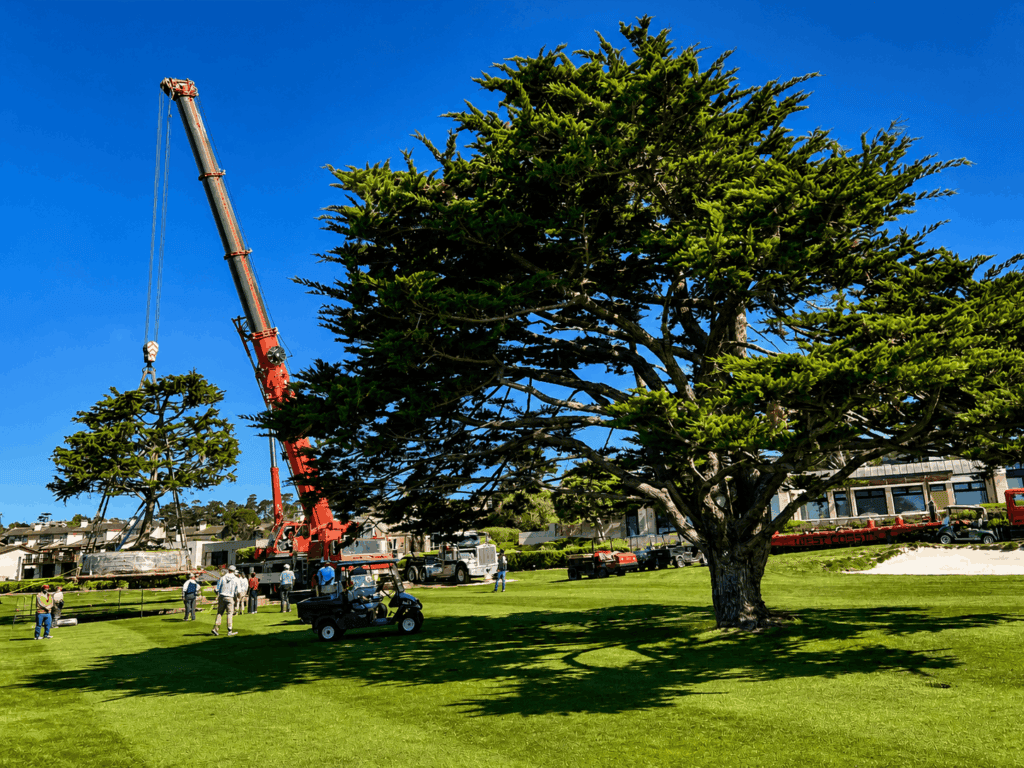
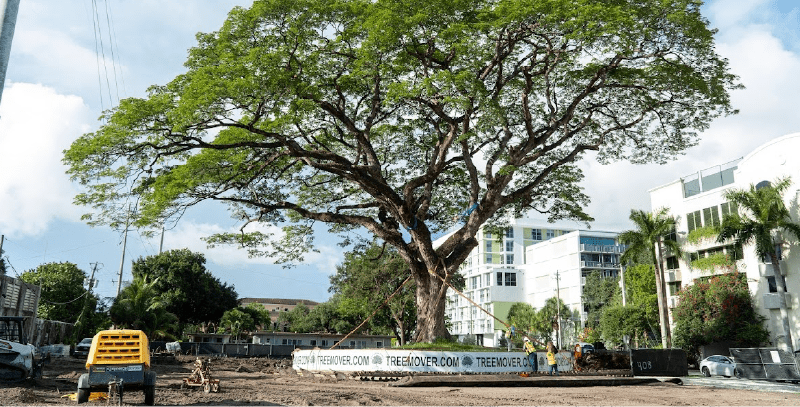
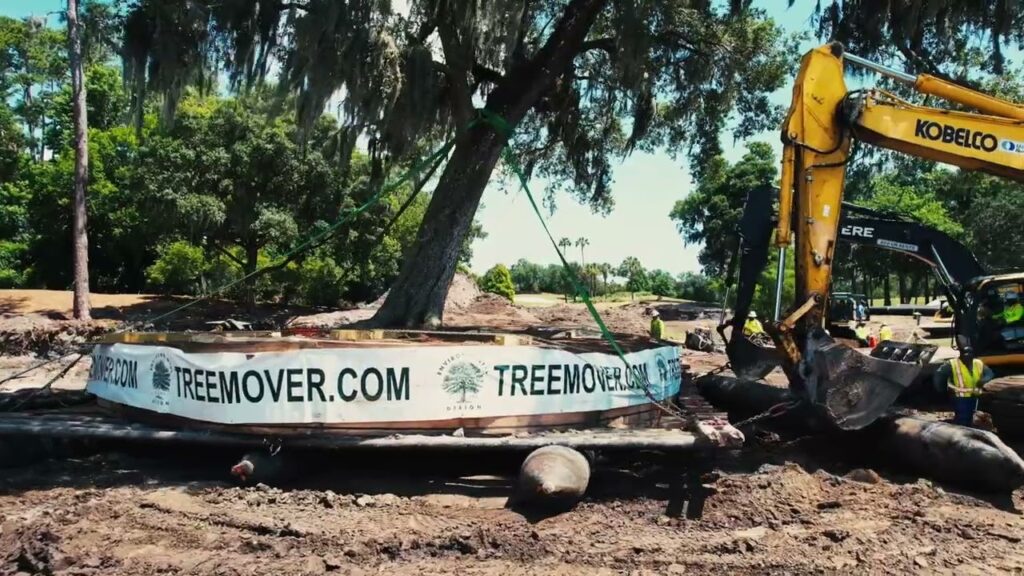
Two years ago, it hired Larry Maginnis, officially the university's first urban forester; unofficially, he's the go-to tree guy. This fall, he is participating in the very expensive, painstaking transplantation of 16 live oaks to make way for the expansion of Royal-Memorial Stadium. Maginnis is a burly man who climbs trees. (A note to little boys and girls: "If you can climb trees, you can work anywhere in the country," Maginnis said.) He has forearms the size of, well, small tree trunks and a thatch of black hair. He is 36 and works out of a small office in the university's maintenance depot, which sits beside a cemetery on the east side of Interstate 35 off Manor Road.
Sitting atop a filing cabinet in his office are some forestry mementos: a larch ball, a clump of pine needles that took generations to form and an ingenious grackles' nest that the birds made with twigs and ribbon.
He likes to show off his stump-grinder and wood-chipper, each machine the size of a small vehicle, as if they were Porsches. His small pleasure is looking after a potted Pride of Kent, a direct descendant of the apple tree that inspired Newton's theory of gravity. Maginnis is something of a company man. He wears a blue cotton button-down shirt that bears the university's logo and is never short of praise for the foresight of his higher-ups. He has a staff of four workers, whom he affectionately calls "my guys."
Worried all the time about falling tree limbs, he uses the word "targets" to describe students and professors, as in: "We have all these targets, and we just want to make sure they go safely from Point A to Point B." He is garrulous. "Just stop me if I'm talking too much," he says several times. He speaks, in the Seussian phrase, for the trees. Although he is no tree-hugger, he has come to be their champion.
There are about 5,000 trees on the university's campus, worth as much as $40 million. They have survived Texas summers and Texas soldiers. The university's land is still recovering, in a sense, from the Civil War. In 1863, a confederate general, fearing an invasion of Union soldiers from Galveston, ordered the area's trees cut down to be used to build a fortress.
Patrons have, now and then, cultivated and defended the trees. According to one legend, classics professor William Battle staved off the university's plans to build a biology building over some of the oldest trees by sitting beneath them with a shotgun. They are now known as the Battle Oaks. The lion's share of the campus' trees were planted in the 1930s by green-minded university Comptroller J.W. Calhoun.
Maginnis caught the tree bug as a teenager while working at a Christmas tree farm near his hometown, State College, Pa. He received a bachelor's degree in forest resource management with an emphasis on urban forestry from the University of Montana in Missoula and worked his way up in that city's forestry administration. UT began looking for a person to oversee its sprawling, aging population of trees in 2004. When Maginnis came to Austin for an interview, he was not instantly sure that he wanted to work here. "The drive in from the airport isn't real pretty," he said. But he soon discovered some of the live oaks on campus, and "the eyes were bugging out of my head."
Trees received only a modicum of respect at the time. The university had adopted a 100 percent replacement policy for its trees, but some contractors would go toe-to-toe with Maginnis over whether the trees need to be protected.
"This tree was here before this building," he would say, whipping out a 1942 survey of campus trees he carries with him. "This tree will still be here when after you renovate this building, and it'll still be here the next time someone renovates it."
Urban forestry has become more common nationally, said Bill Burch, a professor of natural resource management at the Yale School of Forestry and Environmental Studies. "A tree is a way to bring people together who might not be in contact," Burch said.
UT has budgeted $524,000 this year for tree care programs, equipment and salaries, according to Steve Kraal, the associate vice president for facilities management. Within a year of Maginnis' arrival, he said, he had a busy phone line. "Sometimes I think people don't want to stick a shovel in the ground without calling me."
That brings us back to the football field. This year, the university's regents approved a $150 million stadium expansion. Scheduled to be completed in August 2008, it would boost seating capacity for football games to more than 90,000. But there are roughly 40 trees, standing in the footprint of the proposed expansion. In a bygone era, those trees might have been bulldozed, but Maginnis methodically determined what should be kept.
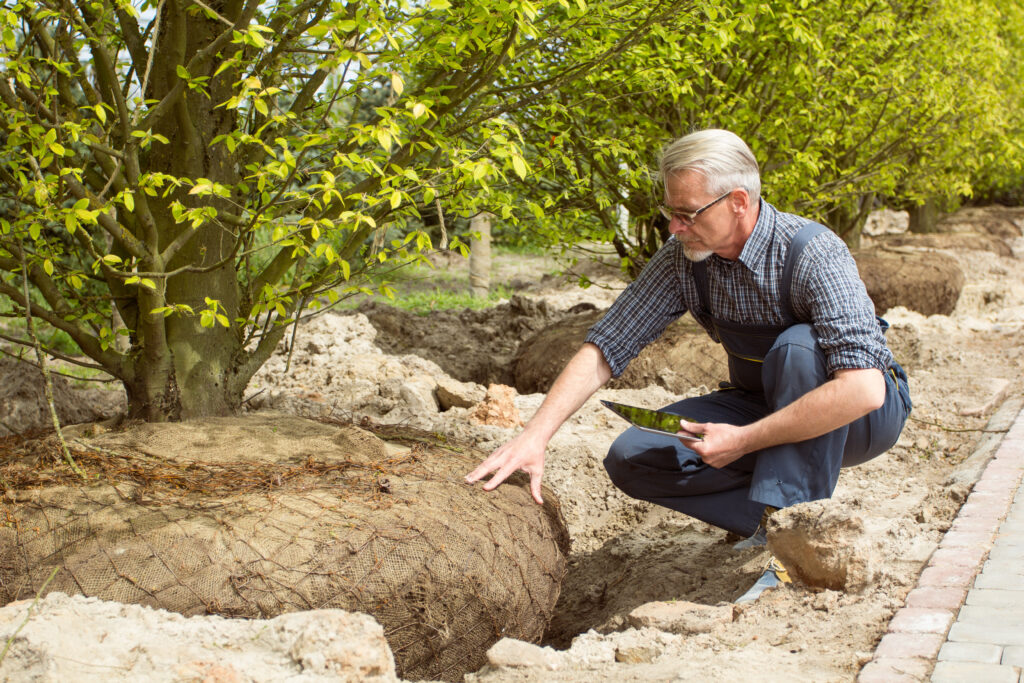
Twenty of the trees did not deserve to be transplanted, he said "Some of those trees I wouldn't want in my own backyard" and four of the remaining 20 could not be transplanted because they had utility lines running through them. That left 16 trees, which are now being carefully transplanted at a cost of $700,000. Some of the trees have been appraised at $400,000, and Maginnis is fond of saying that "trees are the only infrastructure in the university that will increase in value."
NOTE: There are other types of media to browse for this article. Please click any icon on the right to explore further.