

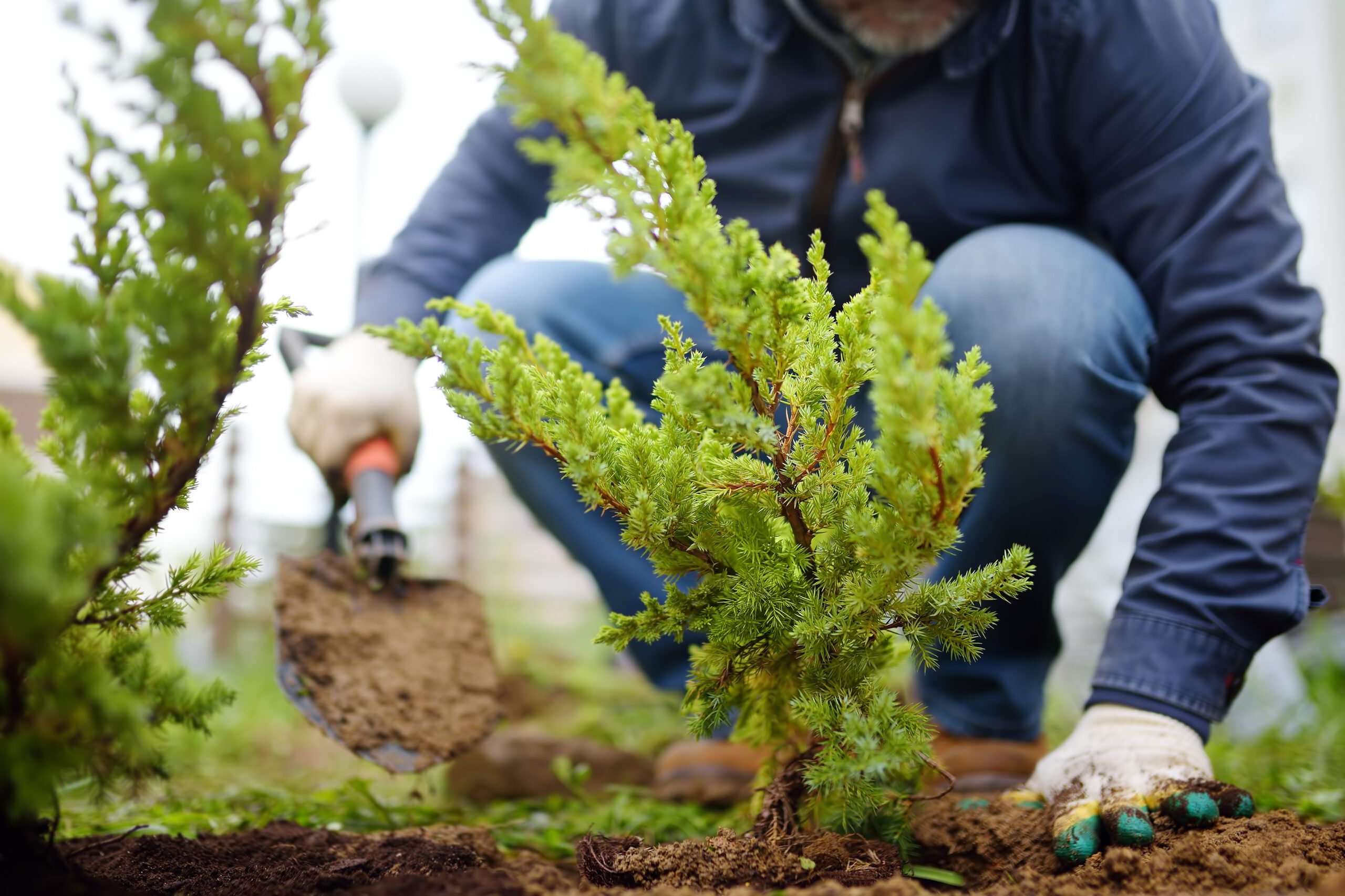
A tree’s journey doesn’t end with relocation, sometimes that’s when the real work begins.
Transplanting a tree is a major operation. When performed correctly by certified professionals and paired with the right pre- and post-care plan, transplant shock can often be minimized or avoided altogether. However, when key steps are missed or care is inconsistent, even a healthy tree can experience stress, wilting, leaf drop, or dieback.
At Environmental Design, Inc., we’ve rescued hundreds of trees that faltered after transplant. Trees that receive proper pre-conditioning and post transplant care from experienced arborists often recover faster and with fewer symptoms. If your newly moved tree is showing signs of stress, don’t panic. Here’s how to bring it back to life.
First, assess the situation: what does “struggling” really mean?
Not all post-transplant symptoms are red flags. It’s normal for some trees to shed leaves or pause growth during the initial recovery phase. However, the following symptoms may indicate trouble:
- Persistent wilting even with watering
- Leaf browning or scorching
- Premature leaf drop in season
- Dieback in upper branches
- Little or no new growth after 6–12 weeks
- Visible pest infestation or fungus
Conduct a visual inspection of the canopy, trunk, and root zone. Document changes over time, trends matter more than isolated symptoms.
Step 1: Revisit your irrigation strategy
The number one reason transplanted trees struggle? Water mismanagement. Either too much or too little can trigger stress. Certified arborists account for species, soil type and site conditions when designing irrigation plans to prevent transplant shock before it starts.
- Check the soil: use a moisture probe or dig a small hole near the root ball. The soil should be moist but not soggy.
- If too dry: deep water the root zone slowly over several hours. Use a soaker hose or drip line to avoid runoff.
- If too wet: improve drainage immediately. Aerate compacted areas, scale back watering, and elevate mulch to allow evaporation.
Pro Tip: Create a berm around the tree base to funnel water directly to the root zone, and never water the trunk itself.
Step 2: Reintroduce nutrients carefully
After transplant, trees often pause nutrient uptake while adjusting. Fertilizing too early or too aggressively can backfire. Arborist-led care plans time fertilization strategically so nutrients support root recovery rather than overwhelm the tree.
Wait 4–6 weeks post-transplant before applying any amendments. Once the tree shows signs of recovery, consider:
- Slow-release, balanced fertilizers (e.g., 10-10-10)
- Mycorrhizal inoculants to support microbial recovery
- Compost tea to improve soil life and root interaction
- Biostimulants to promote root hair regeneration
Avoid high-nitrogen fertilizers, which may stimulate canopy growth at the expense of root health.
Step 3: Address pests and pathogens
Stressed trees are magnets for opportunistic insects and fungi. Examine leaves, bark, and the soil line closely. Certified arborists anticipate these stressors and recommend temporary protections to reduce canopy demand while roots reestablish.
Common culprits include:
- Aphids or mites (leaf curl, sticky residue)
- Borers (holes in trunk or sap leakage)
- Fungal blight or root rot (discoloration, mildew, base decay)
Treatment strategies:
- Use insecticidal soap or neem oil for light infestations
- Remove dead or infested branches promptly
- Improve airflow with strategic pruning
- For fungus, apply a copper-based fungicide or replace contaminated soil
- Avoid systemic pesticides during early recovery unless necessary.
Step 4: Adjust light and heat exposure
Transplants that were moved to sunnier, windier, or more exposed areas may not be ready to withstand full conditions. Certified arborists anticipate these stressors and recommend temporary protections to reduce canopy demand while roots reestablish.
Temporary relief can make a huge difference:
- Install shade cloth on the sunniest side
- Use wind screens in gusty zones
- Apply mulch (2–4 inches, not touching the trunk)
- Wrap bark on thin-barked trees to prevent sunscald
These measures reduce stress and allow roots to catch up to the canopy’s demands.
Step 5: Reassess root health
Sometimes the problem isn’t above the ground, it’s in the root system. Root ball size, planting depth, and soil conditions all play a critical role in post-transplant success.
- Was the root ball large enough for the tree size?
- Has the soil settled improperly?
- Are girdling roots forming?
Carefully excavate 2–4 inches around the base. A healthy root flare should be visible, not buried. Check for new fine roots or signs of rot.
Step 6: Prune with precision, not panic
Don’t over-prune a struggling tree. Only remove:
- Dead or broken limbs
- Severely diseased material
- Crossing or rubbing branches causing wounds
Keep green foliage intact; it supports photosynthesis and recovery.
Step 7: Monitor progress weekly
Professional monitoring during the first 4-6 weeks post-transplant dramatically improves outcomes. Track recovery indicators:
- Leaf recovery or bud development
- Root tip emergence
- Bark elasticity and color
- Absence of new pest activity
Create a log or photo series to catch slow changes before they escalate.
Step 8: Know when to call a professional
If you’ve tried irrigation, fertilization, and pest management with no success, it’s time to consult a certified arborist or transplant expert. They can:
- Perform advanced diagnostics
- Evaluate the planting depth or site suitability
- Apply deep-root feeding or microinjections
- Recommend relocation or replacement if necessary.
How long does recovery really take?
It depends on the tree:
- Ornamental shrubs: 1–3 months
- Small trees (under 2” caliper): 3–6 months
- Medium trees: 6–12 months
- Mature trees: 12–36 months
Recovery is not linear; expect pauses, setbacks, and sudden progress.
The Role of Soil Testing in Recovery
Soil imbalances in pH, nutrient availability, or toxic salts can significantly hinder recovery. A complete soil test can guide targeted action, from adding phosphorus to correcting soil pH. Proper diagnosis avoids wasting time and money on guesswork.
Restoring Soil Structure and Aeration
Compaction suffocates roots. Consider:
- Vertical mulching
- Radial trenching
- Air spading
These restore oxygen exchange and promote new root growth.
Biological Soil Inoculation
Trees rely on beneficial soil organisms. Compost teas, mycorrhizae, and vermicompost reinvigorate the microbial network, improve resilience, and support water and nutrient uptake.
Creating a Custom Irrigation Profile
Sandy soils need frequent light watering. Clay soils need slow deep watering. Tailor your schedule based on soil type and tree species. Use moisture meters to track actual conditions.
Visual Recovery Indicators to Track
Look for:
- Bud swelling
- Cambium healing under bark
- New root tips at the soil line
- Trunk firmness
Don’t judge recovery solely by leaf count.
Supporting Transplant Recovery Through Mulch Management
Use a 2–4 inch mulch ring the width of the canopy. Keep it off the trunk. In windy or hot areas, consider composted mulch to hold moisture and boost microbial activity.
Timing and Patience: Seasonally Informed Recovery
Don’t expect immediate recovery in late fall or winter. Trees respond differently depending on the season. In summer, hydration and shade are key. In winter, insulation and monitoring matter most.
Prevention: the best way to avoid post-transplant problems
Preventative practices reduce recovery needs:
- Proper root pruning
- Transplant during shoulder seasons
- Maintain original soil texture and pH when possible
- Monitor daily for 4–6 weeks post-transplant
Smart planning reduces stress and cost later.
Let’s bring your tree back to life
A struggling tree isn’t a lost cause. With the right combination of hydration, care, and science, recovery is within reach. If you’re unsure where to begin, let Environmental Design, Inc. help you build a recovery strategy.
Contact us to start your consultation.

Recent Comments