
Benefits of Tree Farming
- Cost Savings – 50-75% on Tree Cost
- Consistent Supply Chain & Quality Control
- Agricultural Exemption
- Marketing – Supports Green Initiative
- Functional Amenity
- Opportunities for Diversity / Differentiation
Farming: Ownership
EDI manages its own tree farms to secure a steady supply of mature trees to be utilized for a multitude of large scale projects.
Contact Us
Farming: Management
EDI assists businesses in developing and maintaining their own tree farms, allowing them to grow mature trees for commercial use and gain agricultural exemption
Tree Sourcing: Sale & Delivery
After identifying the appropriate specimen, EDI will safely and securely prepare, deliver, plant and maintain the ideal tree to ensure viability
Contact Us
Tree Sourcing: Consulting
EDI assists in determining the perfect tree specimen for any desired project, bringing a wealth of knowledge to customers for the best outcome
Tree Farm & Tree Farm Consultants
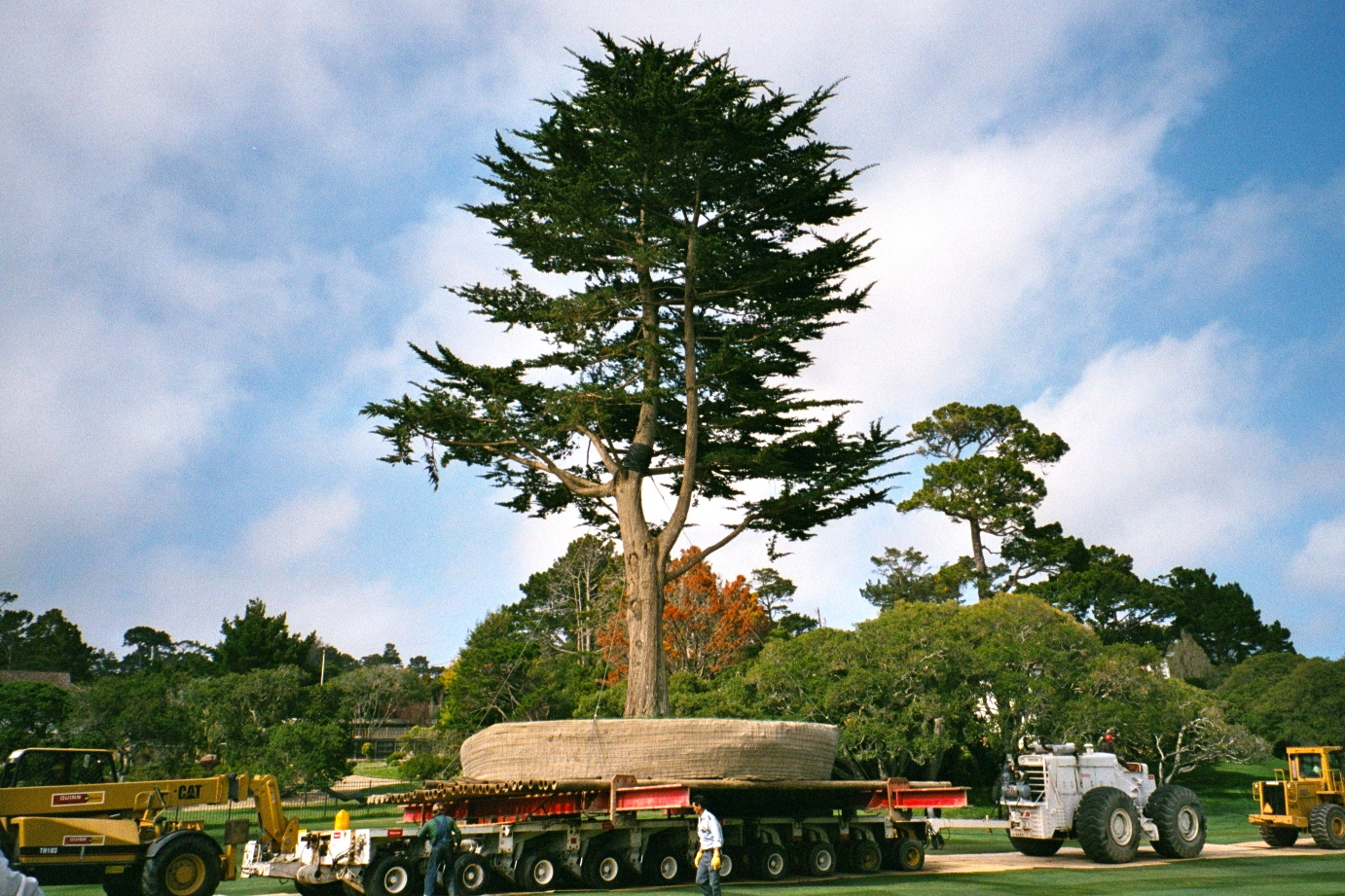
For over 40 years, Environmental Design, Inc has been widely recognized as the premier tree relocation contractor in the world. Over the past two decades, we have enjoyed significant growth in our tree farming business, even during difficult economic times.
EDI assists and consults businesses in developing and maintaining their own tree farms, allowing them to grow mature trees for commercial use and gain agricultural exemption. So not only do we grow trees for clients, we assist those clients in building tree farms of their own, sustainably, and responsibly.
EDI has unique knowledge and experience in partnering with clients to provide tree farming, supply and installation expertise for long cycle community construction.
Tree Farming Benefits:
- Cost Savings – 50-75% depending on growing time / rates
- Consistent Supply Chain & Quality Control
- Agricultural Exemption
- Marketing – Supports Green Initiative
- Functional Amenity
- Opportunities for Diversity / Differentiation
Tree Farm Design Considerations:
- What species to plant
- What is the desired tree size at installation
- Project demand schedule
- Soil Analysis
- Water Analysis
- Site Selection
Follow Us on Instagram
Tree Farming FAQs
How does specimen tree banking function within a professional tree farming operation for environmental design projects?
Specimen tree banking functions within a professional tree farming operation as a long-term system for growing, managing, and reserving mature trees for future environmental design use. Specimen tree banking transforms tree farming from simple cultivation into a strategic inventory process that supports development planning, landscape design, and sustainability goals.
In a tree farming context, specimen tree banking begins with intentional species selection and spacing. Trees are planted with the expectation that they will eventually be relocated, not harvested or sold randomly. Tree bank services manage irrigation, soil health, pruning, and root development to ensure each tree remains viable for future transplanting. This creates a pre-grown tree inventory that is predictable in quality and performance.
Tree inventory banking allows each tree to be tracked over time. Size, age, health, and growth patterns are documented so designers and developers can plan landscapes years in advance. A specimen tree reserve created through tree farming provides access to mature trees that would otherwise be difficult or impossible to source when construction begins.
Large tree banking service providers use tree farming to support phased or multi-year projects. Instead of sourcing trees at the last minute, a tree reserve for developers is established early and maintained until installation. Tree stock banking ensures consistency across large sites or multiple developments.
By integrating specimen tree banking into tree farming, environmental design teams gain control over one of the most valuable and time-intensive landscape elements. Trees become managed assets that align biological growth with long-term project needs.
Why is specimen tree banking through tree farming more reliable than sourcing large trees on demand?
Specimen tree banking through tree farming is more reliable than on-demand sourcing because it removes uncertainty from the availability, quality, and readiness of mature trees. Specimen tree banking allows environmental design projects to rely on a known, managed tree inventory rather than fluctuating market conditions.
When trees are sourced late in a project, availability often dictates design decisions. Nursery inventories change seasonally, and large trees may not meet specific size or species requirements. Tree banking solutions avoid these constraints by growing trees specifically for future use. Pre-grown tree inventory ensures that trees are available at the right size and condition when needed.
Tree inventory banking also improves biological reliability. Trees grown within a tree banking program are managed with relocation in mind. Root systems are conditioned, spacing is controlled, and health is monitored over time. This preparation improves transplant success compared to trees that were never intended to be moved.
From a planning perspective, a specimen tree reserve provides predictability. Developers know exactly which trees are available and how they fit into project timelines. Tree storage for future projects allows flexibility without compromising design intent.
Large tree banking service providers reduce risk by maintaining consistent care standards. Tree bank services eliminate last-minute sourcing challenges, transportation delays, and cost volatility. For environmental design projects where mature trees are critical, specimen tree banking through tree farming offers a stable, dependable alternative to reactive procurement.
How does specimen tree banking support long-term planning for developers and large-scale environmental design projects?
Specimen tree banking supports long-term planning by aligning tree growth with extended development timelines. Specimen tree banking allows developers to secure mature landscape assets years before construction begins, creating predictability across complex projects.
Large developments often unfold in phases over many years. Tree reserve for developers ensures that each phase has access to trees of consistent quality and scale. Tree stock banking prevents the visual and functional inconsistencies that occur when trees are sourced piecemeal over time.
Tree inventory banking gives project teams visibility. Designers can plan layouts knowing exactly which species and sizes will be available. This clarity improves coordination between landscape architecture, civil engineering, and construction scheduling.
Specimen tree banking also supports financial planning. Trees grown through tree farming programs are accounted for early, reducing exposure to future price increases or supply shortages. Large tree banking service providers help developers treat trees as long-term assets rather than variable expenses.
Tree storage for future projects adds flexibility. If schedules change or designs evolve, trees can remain in reserve without losing value. Pre-grown tree inventory becomes a buffer against uncertainty.
By incorporating specimen tree banking into long-term planning, developers gain control over one of the slowest-growing and most impactful elements of environmental design, ensuring landscapes mature in step with the built environment.
What role does specimen tree banking play in sustainability and responsible land use within tree farming?
Specimen tree banking plays a central role in sustainability by prioritizing planned growth, preservation, and reuse of mature trees. Specimen tree banking aligns tree farming with responsible environmental design practices that emphasize long-term value over short-term consumption.
Tree banking programs reduce waste by ensuring trees are grown with a clear purpose. Instead of removing or discarding mature trees, tree bank services preserve them as deployable resources. Pre-grown tree inventory minimizes the need for repeated planting and replacement.
Tree inventory banking also reduces environmental impact. Trees grown within a large tree banking service are typically acclimated to regional conditions, improving survival and reducing the need for excessive irrigation or inputs after relocation. Tree storage for future projects lowers transportation distances compared to sourcing trees from distant markets.
Specimen tree reserve strategies support resilience. Mature trees provide immediate benefits such as shade, carbon sequestration, and stormwater management. Installing these trees through banking solutions accelerates environmental performance compared to young plantings.
From a land use perspective, tree farming integrated with specimen tree banking maximizes the ecological value of growing sites. Trees are cultivated intentionally rather than opportunistically. This approach supports sustainable landscapes that extend beyond individual projects.
Specimen tree banking allows tree farming to function as an environmental investment, producing long-lasting ecological and design benefits.
When should organizations incorporate specimen tree banking into tree farming and environmental design strategies?
Specimen tree banking should be incorporated as early as possible to achieve maximum strategic value. Specimen tree banking is most effective when tree farming decisions align with master planning and long-range development goals.
Early incorporation allows trees sufficient time to mature naturally. Tree banking solutions rely on biological timelines that cannot be rushed. Establishing a specimen tree reserve during land acquisition or entitlement phases ensures that trees are ready when construction begins.
Tree inventory banking provides early visibility into available assets. Designers and developers can plan confidently, knowing that pre-grown tree inventory will meet future needs. Tree stock banking also allows adjustments over time without sacrificing quality.
Large organizations with recurring projects benefit from establishing ongoing tree bank services. Tree storage for future projects creates a renewable resource that supports multiple developments or campuses.
Early planning also strengthens sustainability outcomes. Trees grown intentionally through tree farming programs are healthier, more resilient, and better suited to long-term performance.
By integrating specimen tree banking early, organizations transform tree farming into a proactive environmental design strategy that delivers mature landscapes when they matter most.
How does specimen tree banking through tree farming help developers control costs and timelines in environmental design projects?
Specimen tree banking helps developers control costs and timelines by removing uncertainty from one of the most variable components of landscape development. Specimen tree banking allows trees to be grown, managed, and reserved well in advance, rather than sourced under pressure near the end of construction.
When large trees are procured late, pricing is often higher due to limited availability, transport distance, or seasonal demand. Tree banking solutions reduce this exposure by locking in a pre-grown tree inventory early. Tree bank services allow developers to budget accurately and avoid premium pricing associated with last-minute sourcing.
From a scheduling perspective, tree inventory banking aligns biological growth with project milestones. Instead of waiting for trees to reach an acceptable size or scrambling to locate substitutes, developers draw from an established specimen tree reserve. This predictability keeps landscape installation from becoming a bottleneck at project completion.
Tree stock banking is especially valuable for phased developments. Each phase can be supplied from the same large tree banking service, maintaining consistency while avoiding repeated sourcing costs. Tree storage for future projects also protects investment if timelines shift.
By treating trees as planned assets rather than reactive purchases, specimen tree banking through tree farming delivers cost stability, schedule reliability, and smoother execution across environmental design projects.
How does specimen tree banking support consistent landscape quality across multi-phase or multi-site developments?
Specimen tree banking supports consistent landscape quality by ensuring that the same species, sizes, and forms of trees are available over extended timeframes. Specimen tree banking eliminates the variability that often occurs when trees are sourced incrementally across phases or locations.
In multi-phase developments, early phases may receive higher-quality trees than later ones due to changing market conditions. Tree inventory banking prevents this imbalance by creating a unified specimen tree reserve that supplies all phases. Tree stock banking ensures visual continuity and functional performance across years of construction.
Tree bank services maintain trees under consistent care standards, so each tree in the pre-grown tree inventory meets the same health and structural criteria. Designers can rely on predictable outcomes instead of adjusting plans to accommodate inconsistent nursery stock.
For organizations managing multiple sites, large tree banking service providers create a centralized resource. Tree reserve for developers can be allocated strategically across campuses or regions while maintaining brand and design cohesion.
Tree storage for future projects also allows flexibility without sacrificing quality. If timelines shift, trees remain viable assets rather than liabilities.
Through specimen tree banking, tree farming becomes a tool for delivering consistent, high-quality landscapes regardless of project complexity or duration.
How does specimen tree banking improve transplant success and long-term tree performance after installation?
Specimen tree banking improves transplant success by preparing trees specifically for future relocation. Specimen tree banking ensures that trees grown through tree farming programs develop root systems and structures suited for movement and long-term establishment.
Trees in a tree banking program are managed differently from those grown solely for sale. Tree bank services oversee spacing, root pruning, and canopy management to condition trees for eventual transplanting. This preparation reduces shock and increases survival rates compared to trees that were never intended to be moved.
Tree inventory banking also allows for health monitoring over time. Trees showing stress or poor performance can be addressed early or removed from the specimen tree reserve before they become problems on site. This proactive management improves the overall quality of the pre-grown tree inventory.
Large tree banking service providers time relocation carefully, aligning transplanting with optimal seasons and project readiness. Tree stock banking allows flexibility to wait for ideal conditions rather than forcing installation under suboptimal circumstances.
By emphasizing preparation, monitoring, and timing, specimen tree banking through tree farming delivers trees that establish faster, perform better, and contribute long-term value to environmental design projects.
How does specimen tree banking benefit municipalities and public-sector environmental design initiatives?
Specimen tree banking benefits municipalities by providing a reliable source of mature trees that align with long-term public planning. Specimen tree banking allows cities and public agencies to prepare for infrastructure upgrades, park development, and streetscape improvements without relying on unpredictable sourcing.
Tree banking programs support public-sector timelines that are often influenced by funding cycles, approvals, and phased construction. Tree storage for future projects ensures that trees are ready when work begins, not years later. Pre-grown tree inventory accelerates canopy restoration and environmental benefits.
Tree inventory banking also improves cost efficiency for municipalities. By planning, cities avoid premium pricing and emergency procurement. Large tree banking service providers help standardize quality and care across public projects.
Specimen tree reserve strategies support resilience. After storms, construction impacts, or disease outbreaks, municipalities can draw from an existing tree reserve for developers rather than starting from scratch.
Tree bank services also support sustainability goals. Mature trees installed through banking solutions provide immediate shade, stormwater management, and heat reduction.
Through specimen tree banking, tree farming becomes a proactive tool for building healthier, more resilient public landscapes.
How should organizations evaluate whether specimen tree banking through tree farming is right for their environmental design strategy?
Specimen tree banking is most appropriate for organizations with long planning horizons, recurring development needs, or high standards for landscape quality. Specimen tree banking should be evaluated based on project scale, timelines, and the importance of mature trees to design outcomes.
Organizations managing phased developments, campuses, or portfolios benefit most from tree banking solutions. Tree reserve for developers provides continuity and predictability that short-term sourcing cannot match.
Tree inventory banking is also well-suited for projects where trees are central design elements rather than decorative features. If immediate canopy, shade, or visual maturity is important, specimen tree banking offers clear advantages.
Budget considerations are another factor. While tree banking programs require early investment, they reduce long-term risk and cost volatility. Tree stock banking protects against future shortages and price increases.
Tree storage for future projects adds flexibility when schedules or designs evolve. Large tree banking service providers can help assess feasibility and long-term value.
By evaluating goals, timelines, and risk tolerance, organizations can determine whether specimen tree banking through tree farming aligns with their environmental design strategy and long-term objectives.