
Pebble Beach -

Project Outline

Pebble Beach:

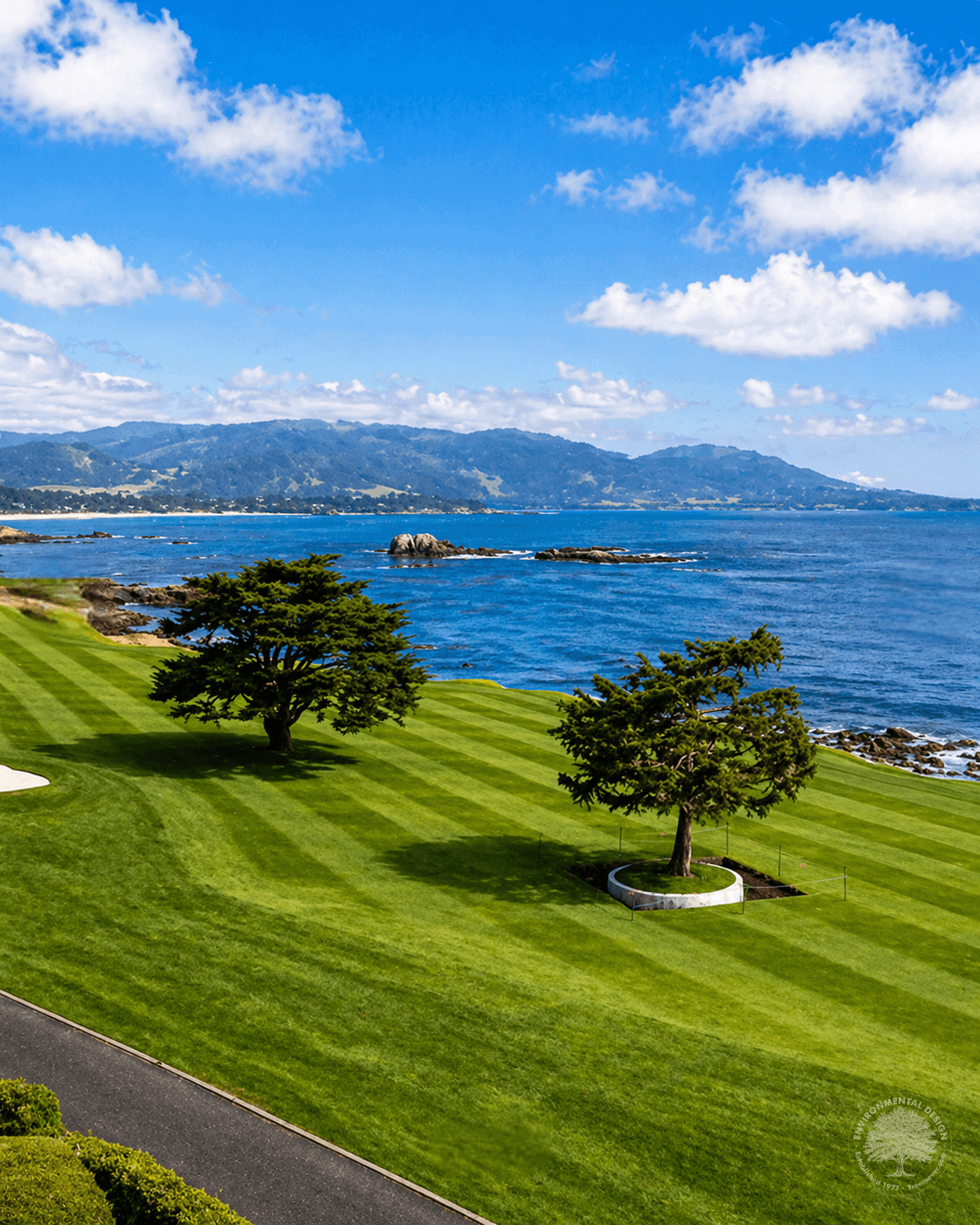
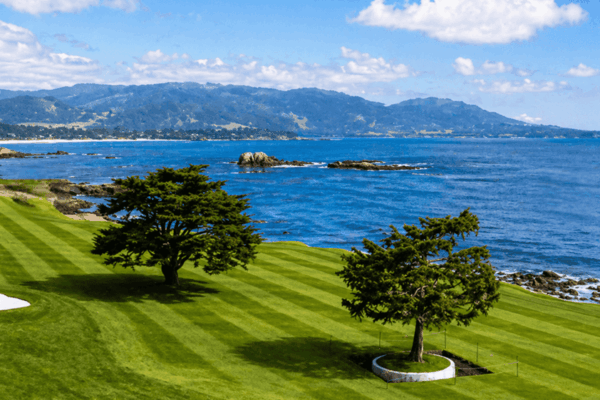
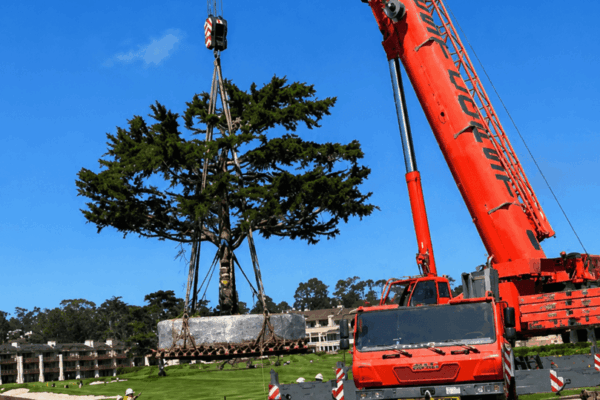
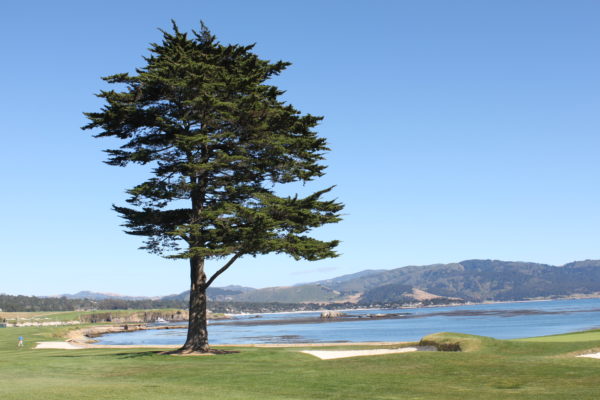
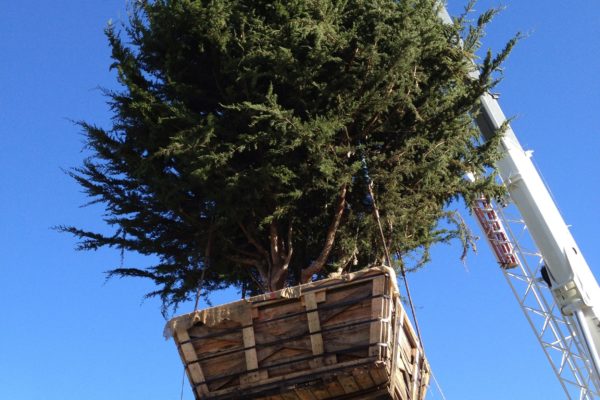
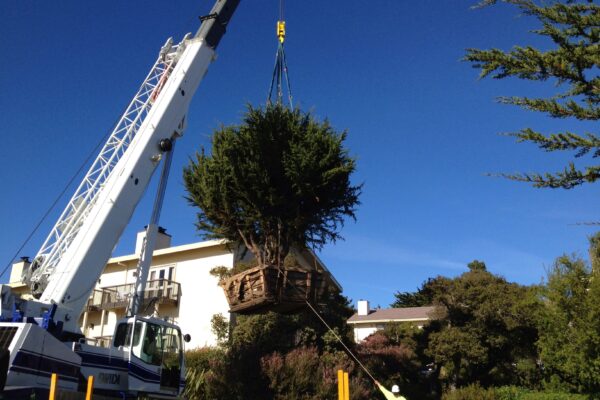
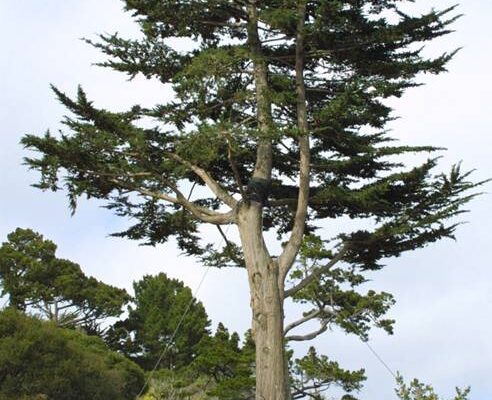
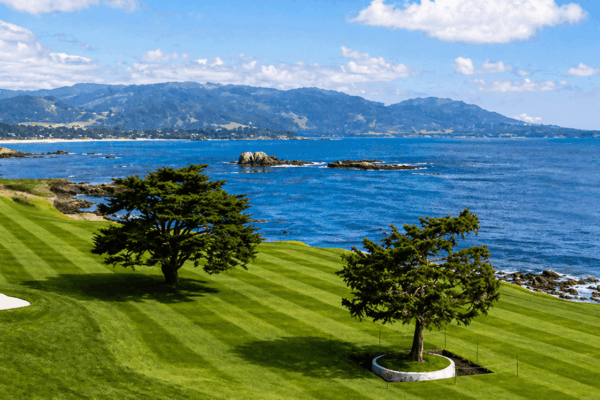
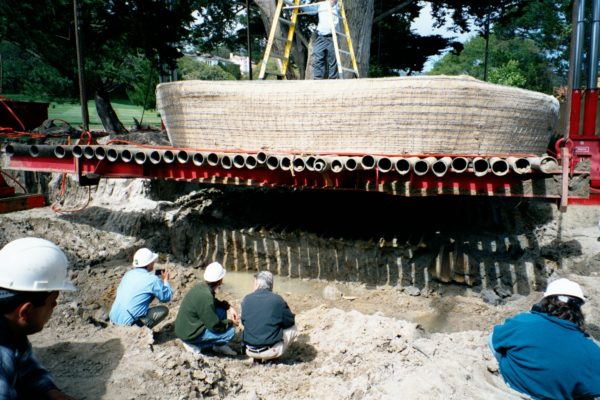
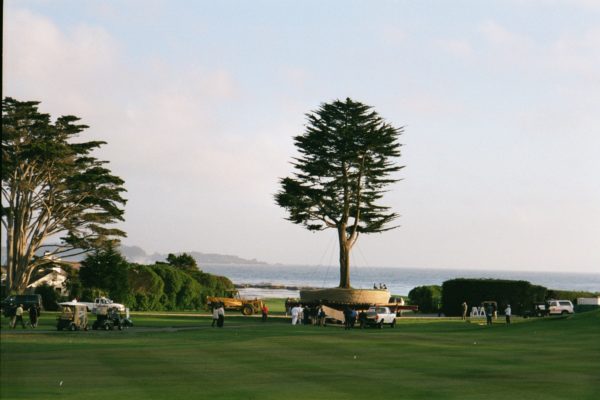
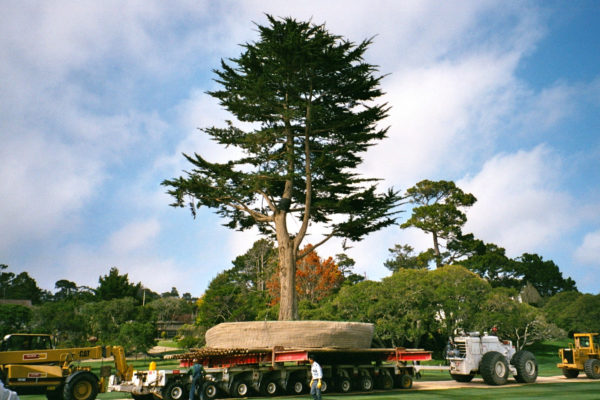
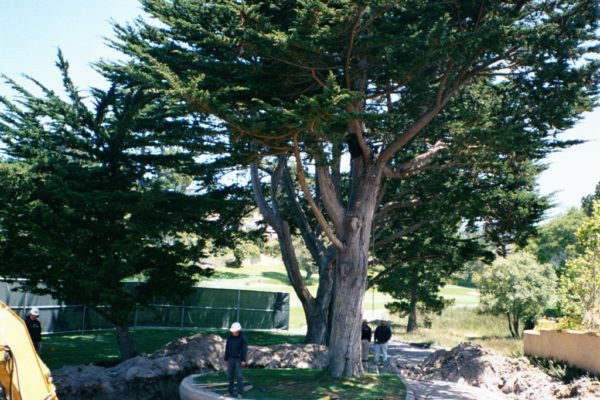
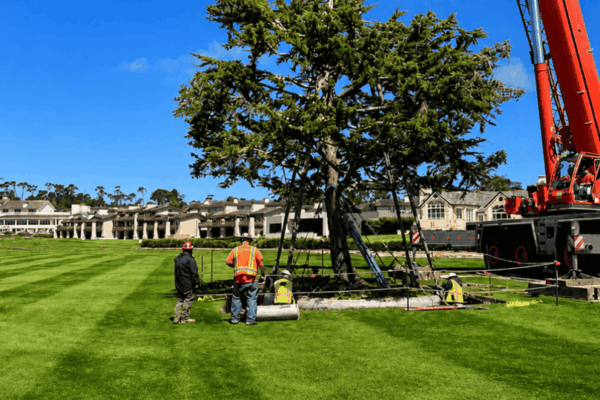
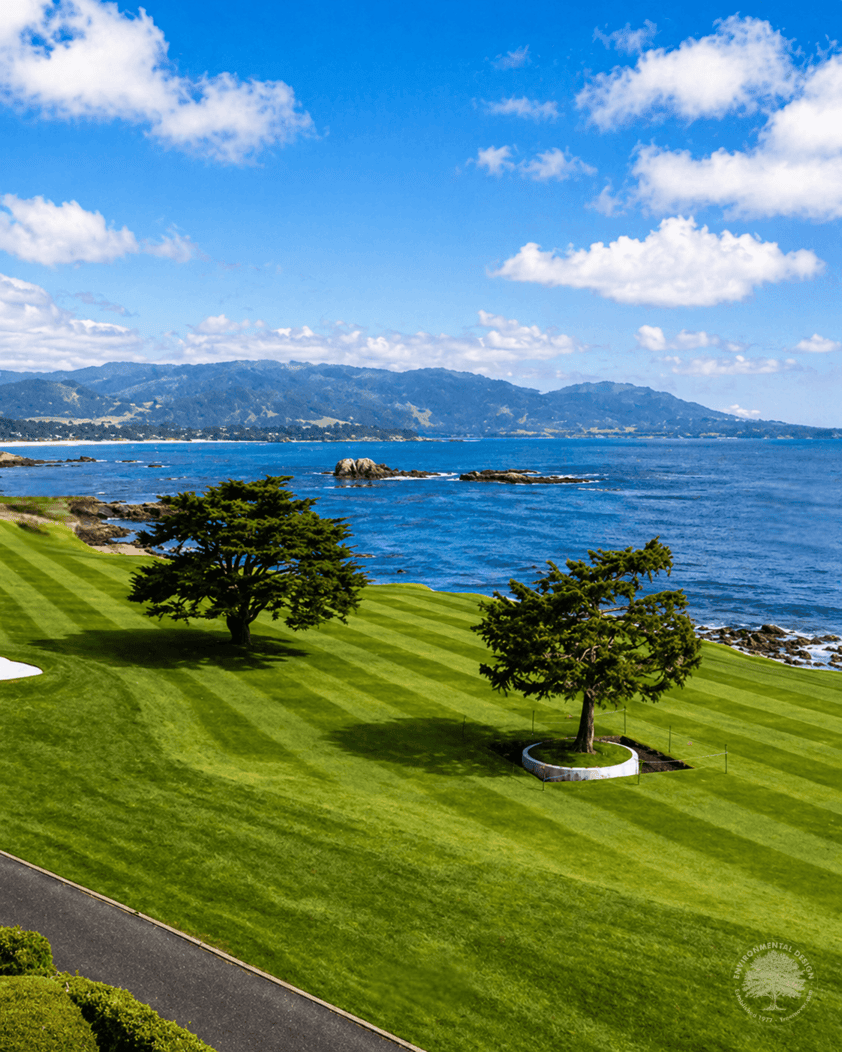
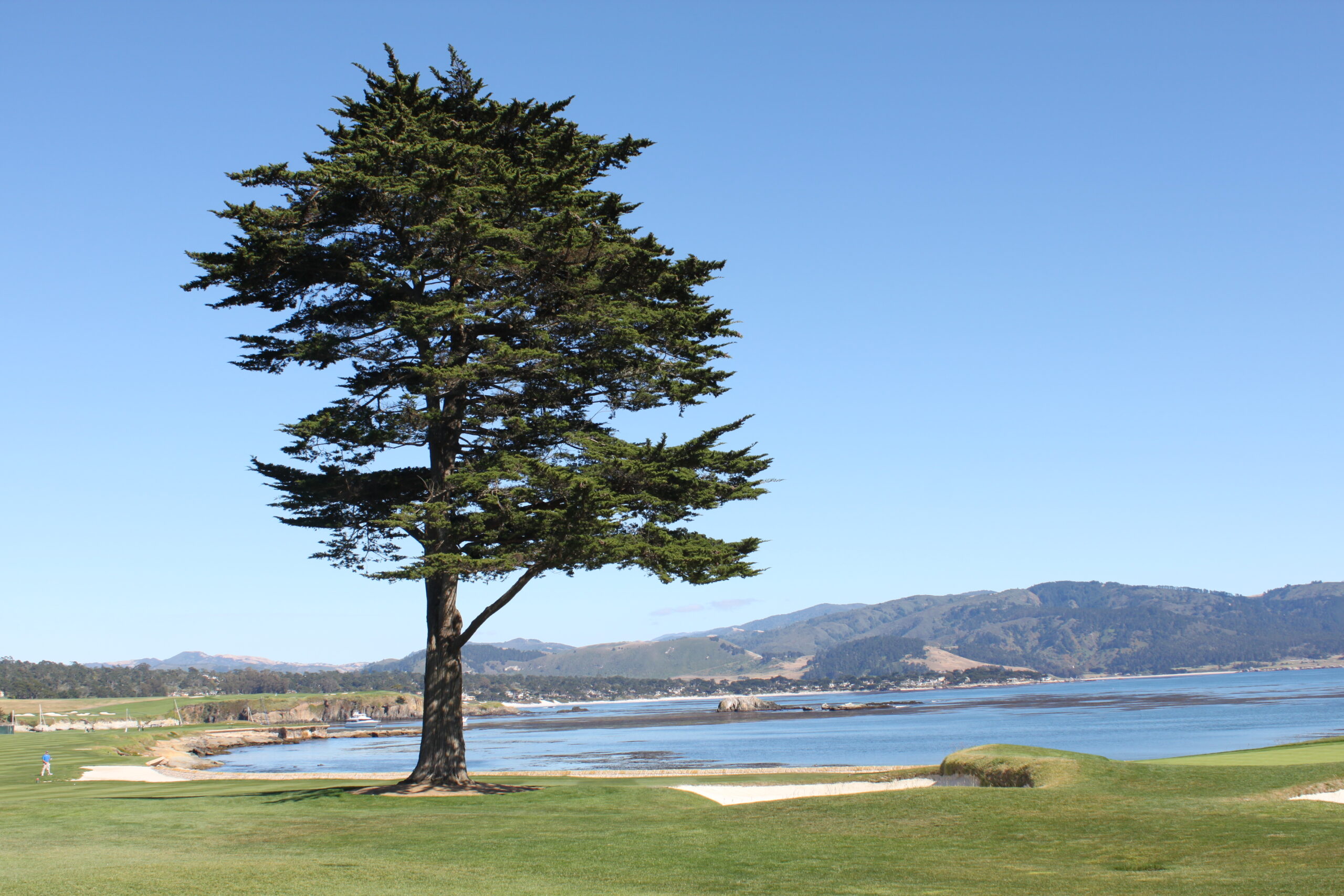
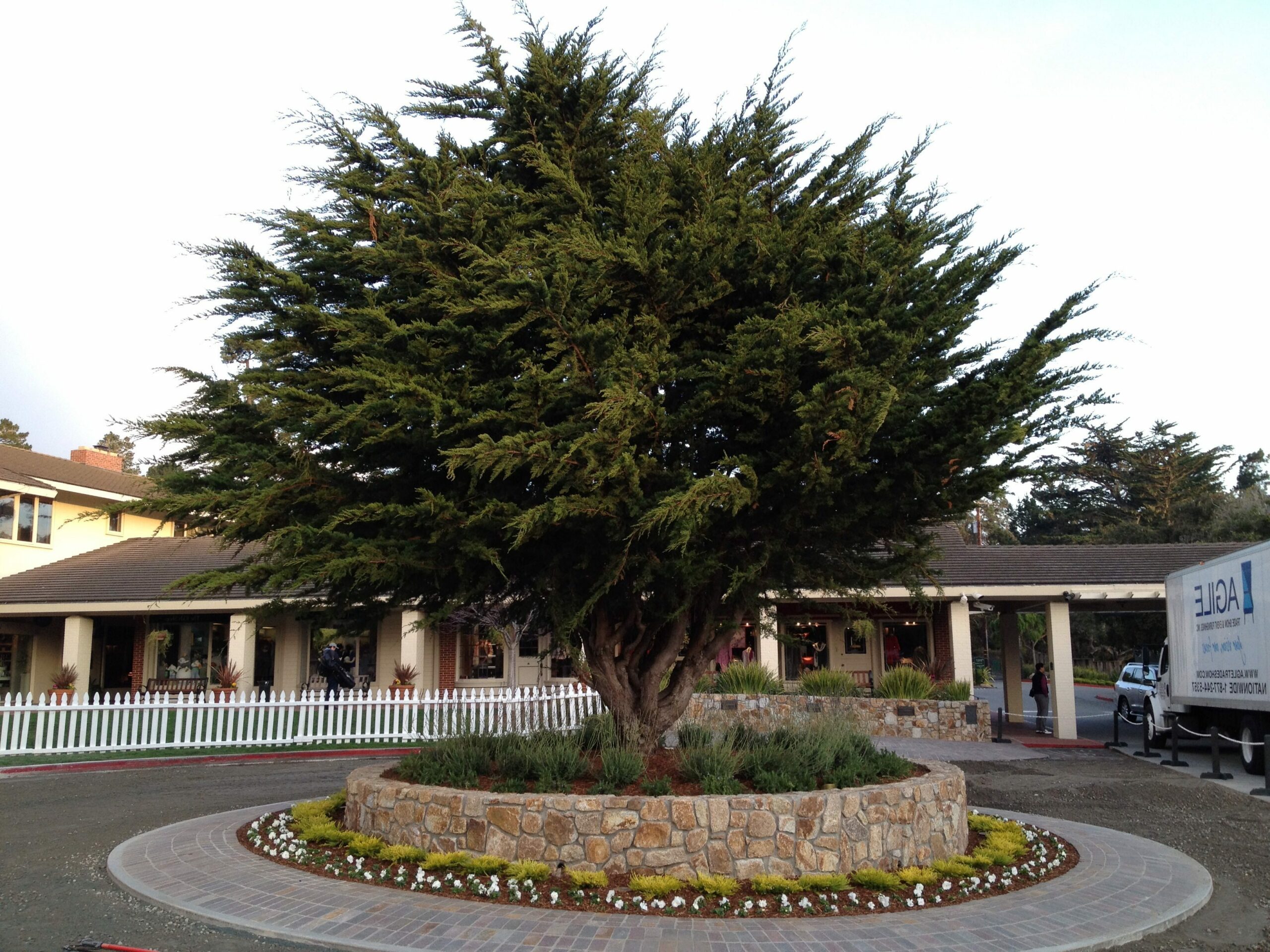
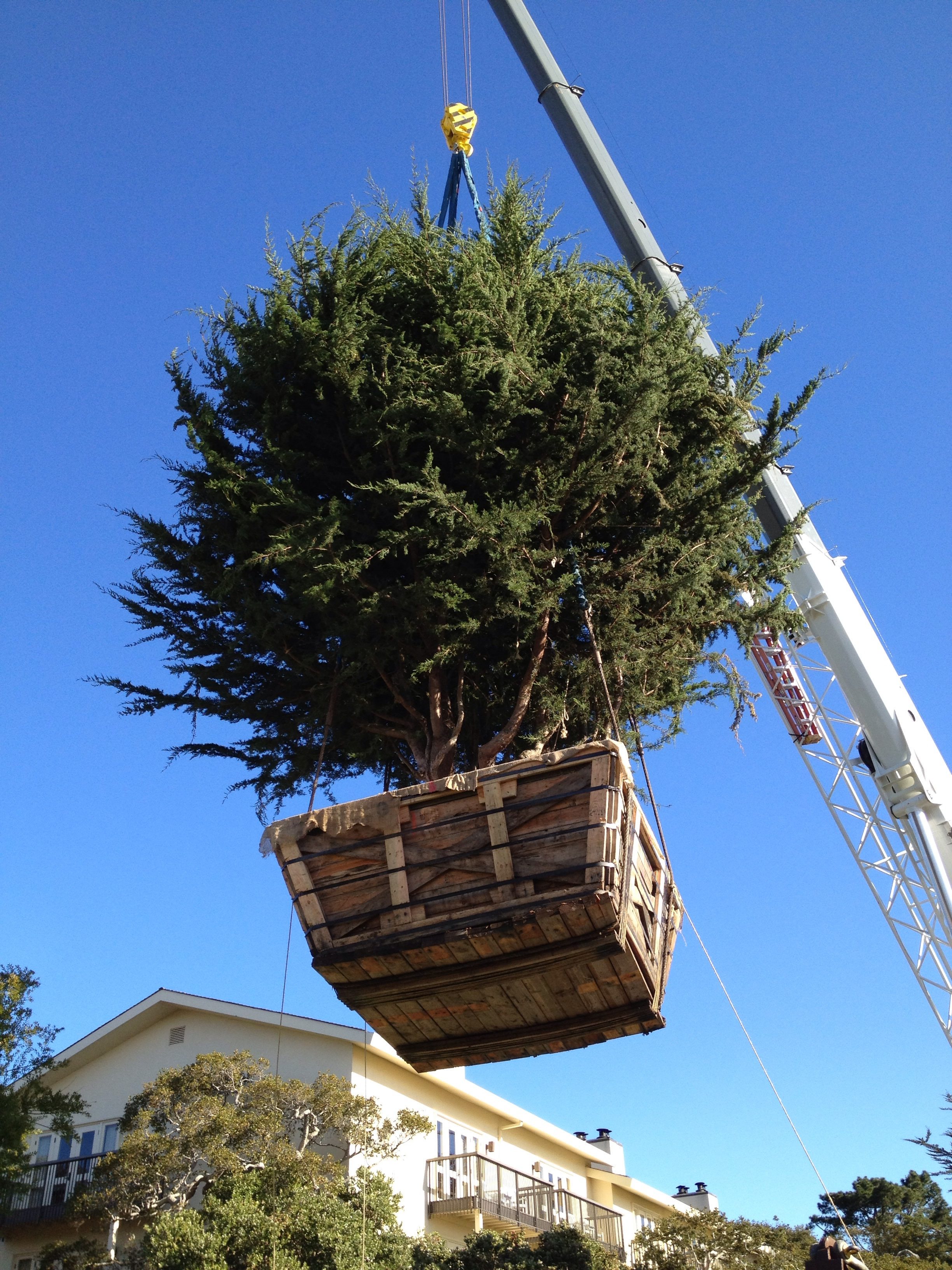
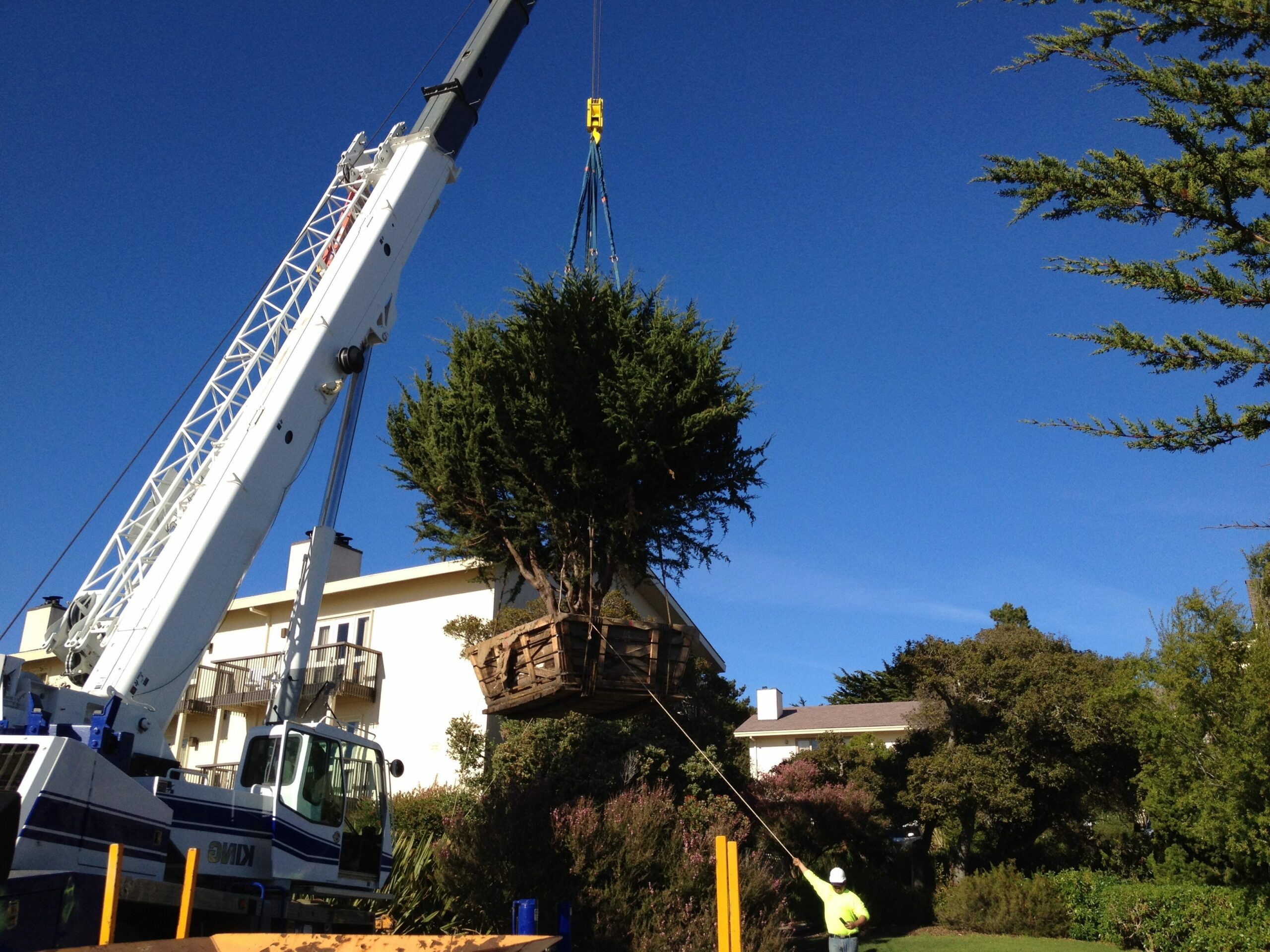
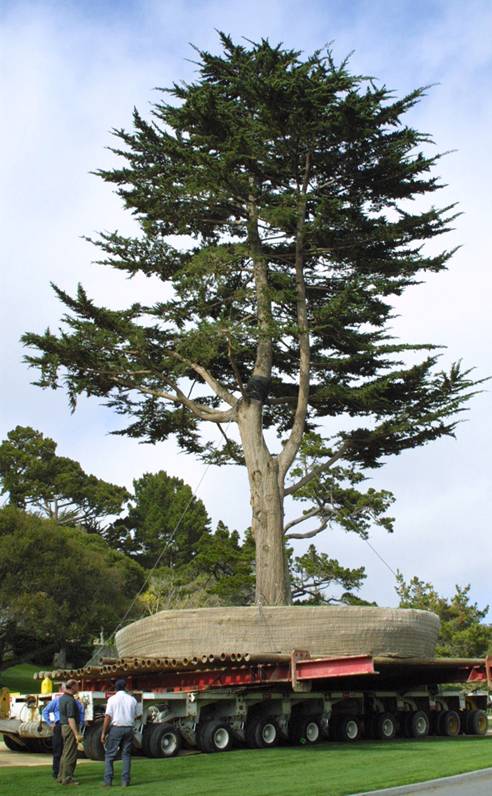
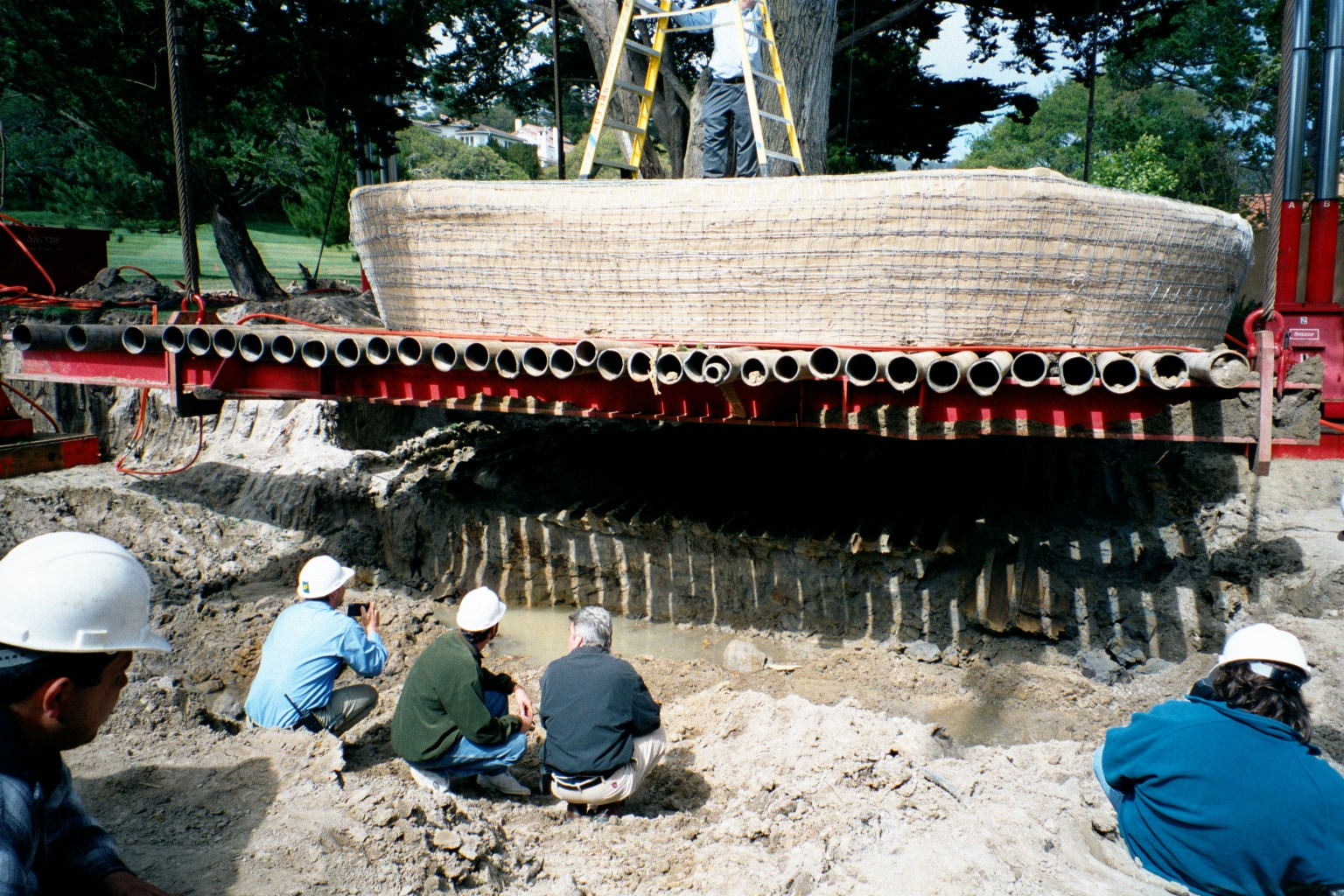
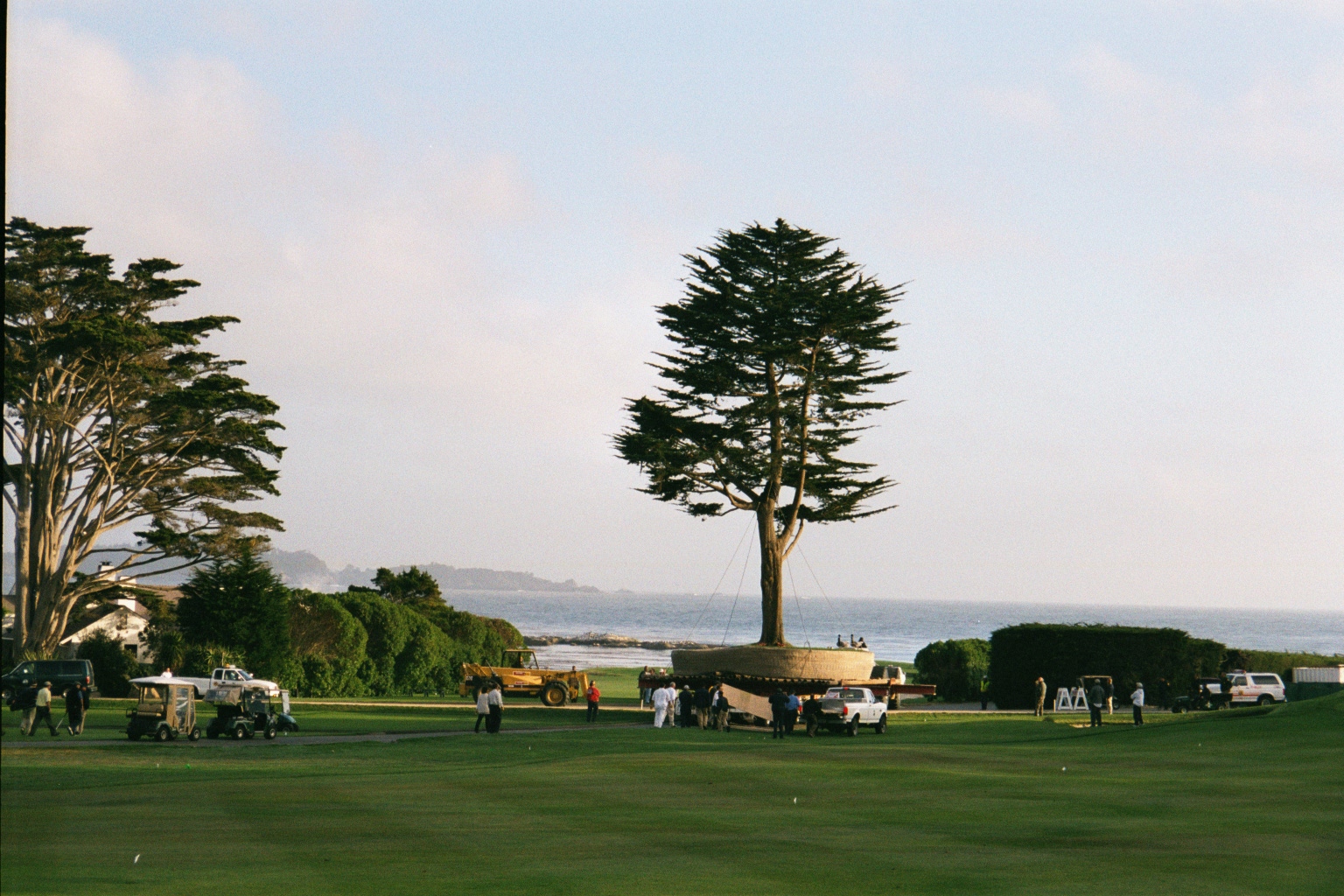
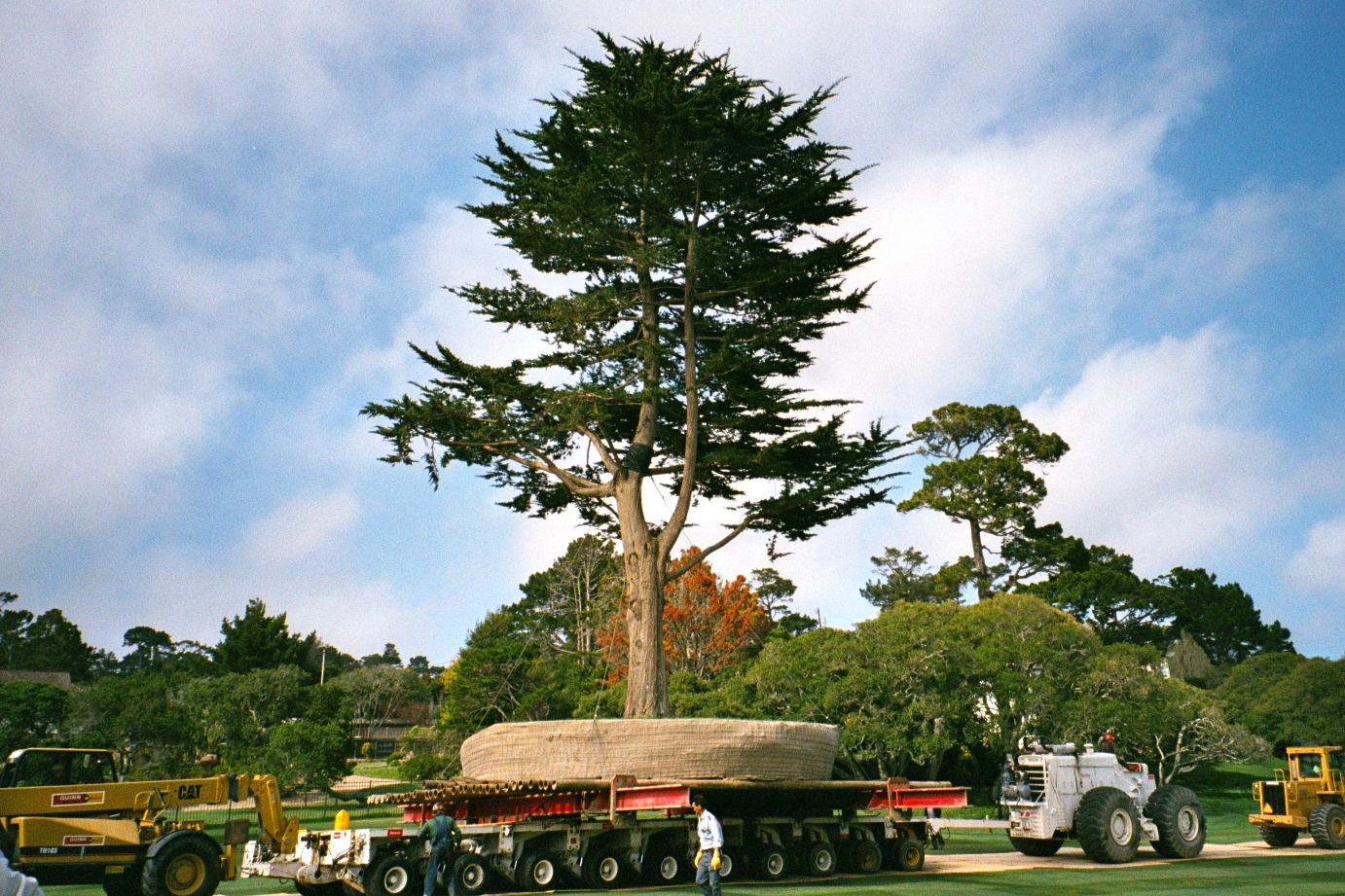
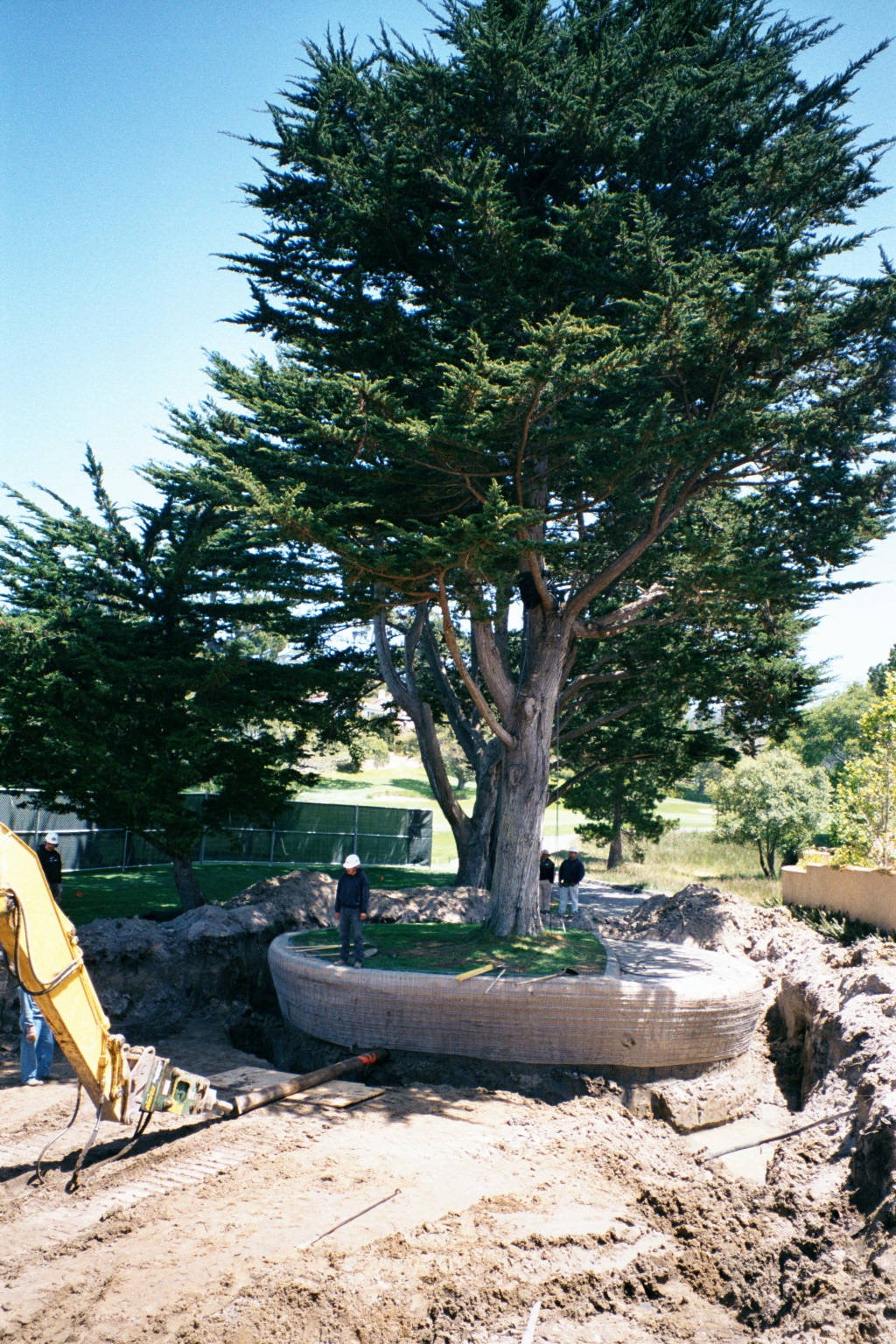
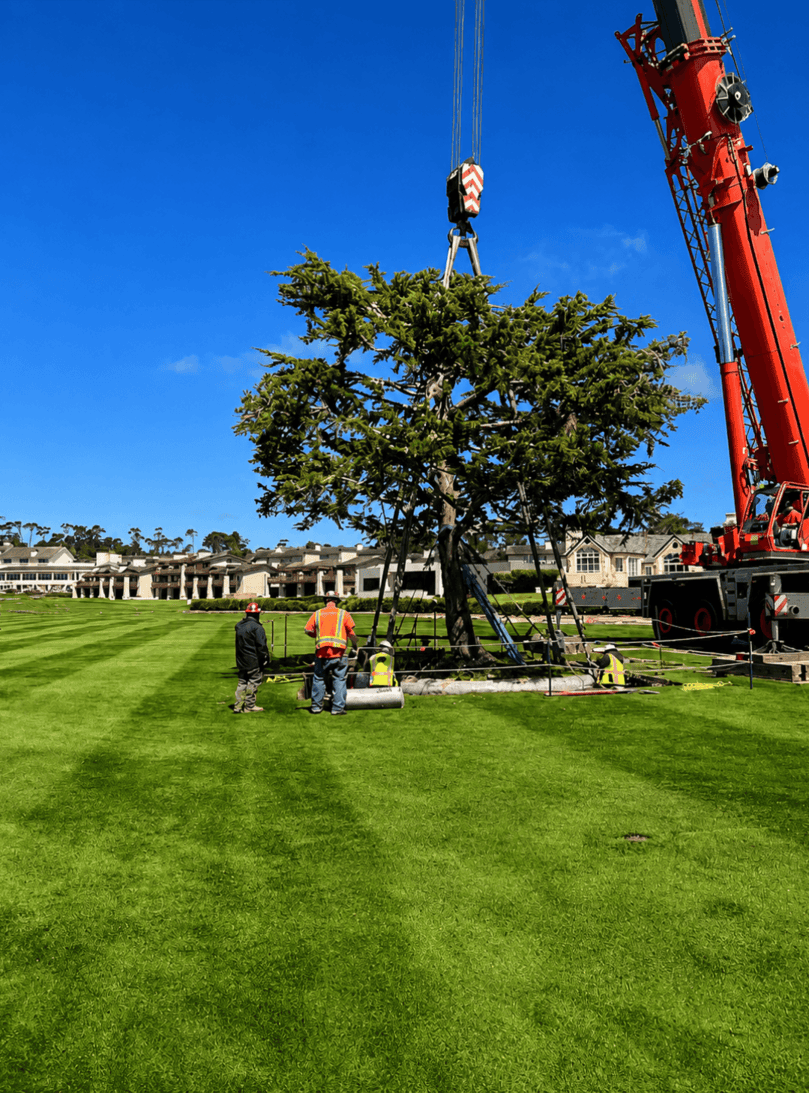
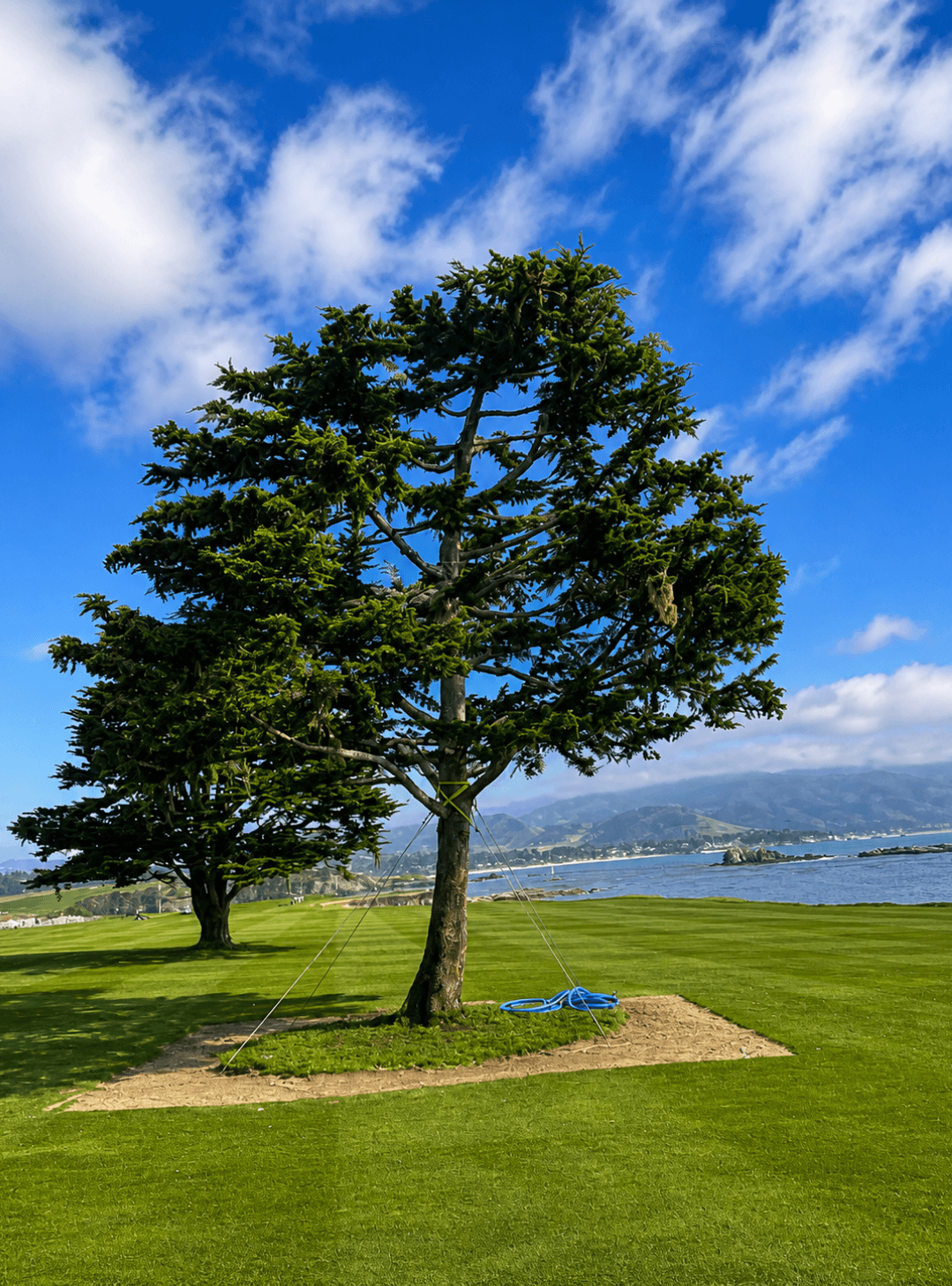
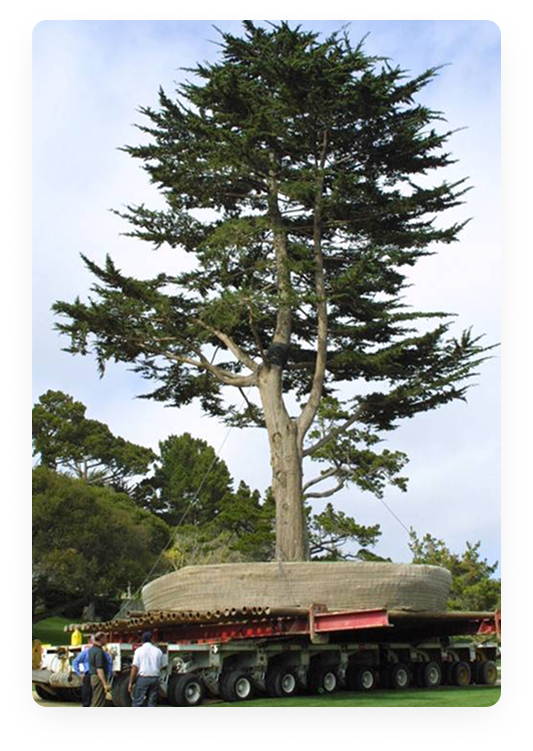
During our 25 year relationship with Pebble Beach we have transplanted many key trees on a dozen holes to replace dying Monterey Pines with more hardy Monterey cypress. Our signature tree guards the 18th green. In 1919 when the couse was opened the 18th green was guarded by a huge Monterey Pine that forced golfers to approach the green from the ocean side. When the pine succumbed to pine pitch canker and was removed, the play of the hole changed dramatically. The Pebble Beach Resorts asked us to find a tree to return the hole to its former glory. Environmental Design located a 200-year-old Monterey Cypress on the side of the first fairway and presented a plan to move the tree across the golf course to 18th hole. During the 6-month process, Environmental Design root pruned the tree, encapsulated the rootball, and installed a lifting platform in preparation for the transplant. The tree transplant was accomplished in 5 days during which golf operations were never shut down.
Location

Pebble Beach, California

Client

Pebble Beach Resorts

How the Tree Was Moved

Moving a 200-year-old Monterey Cypress across an active golf course is not a project most companies would attempt. It is exactly the kind of project Environmental Design was built for.

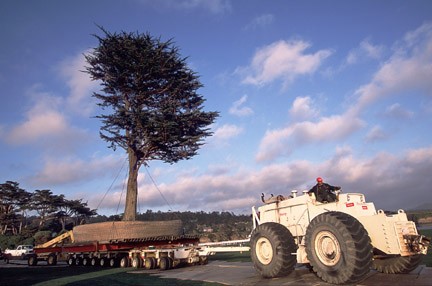
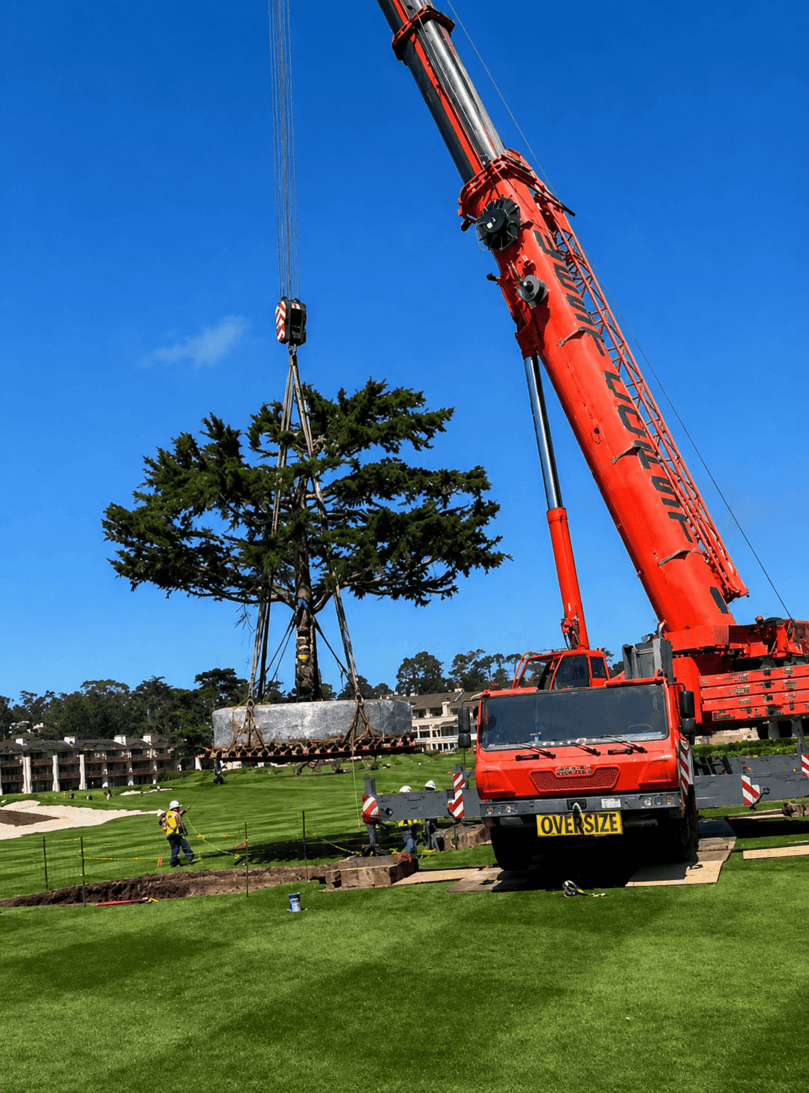
When Pebble Beach Resorts asked EDI to restore the iconic 18th hole, the team began with a six-month preparation process before the tree ever left the ground. The selected cypress, located on the side of the first fairway, was root pruned to encourage a compact, healthy root system capable of surviving relocation. The root ball was carefully encapsulated to protect it during transport, and a specialized lifting platform was installed beneath the tree in preparation for the move itself.

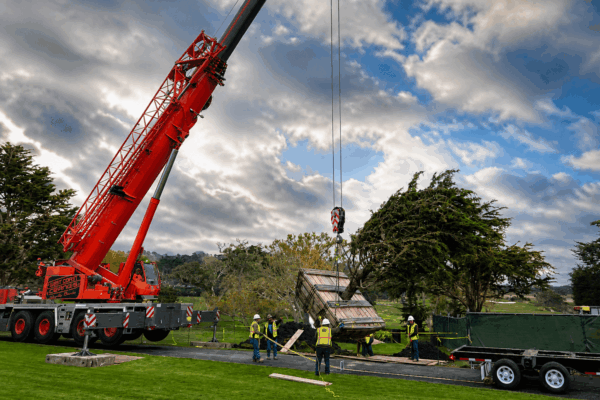
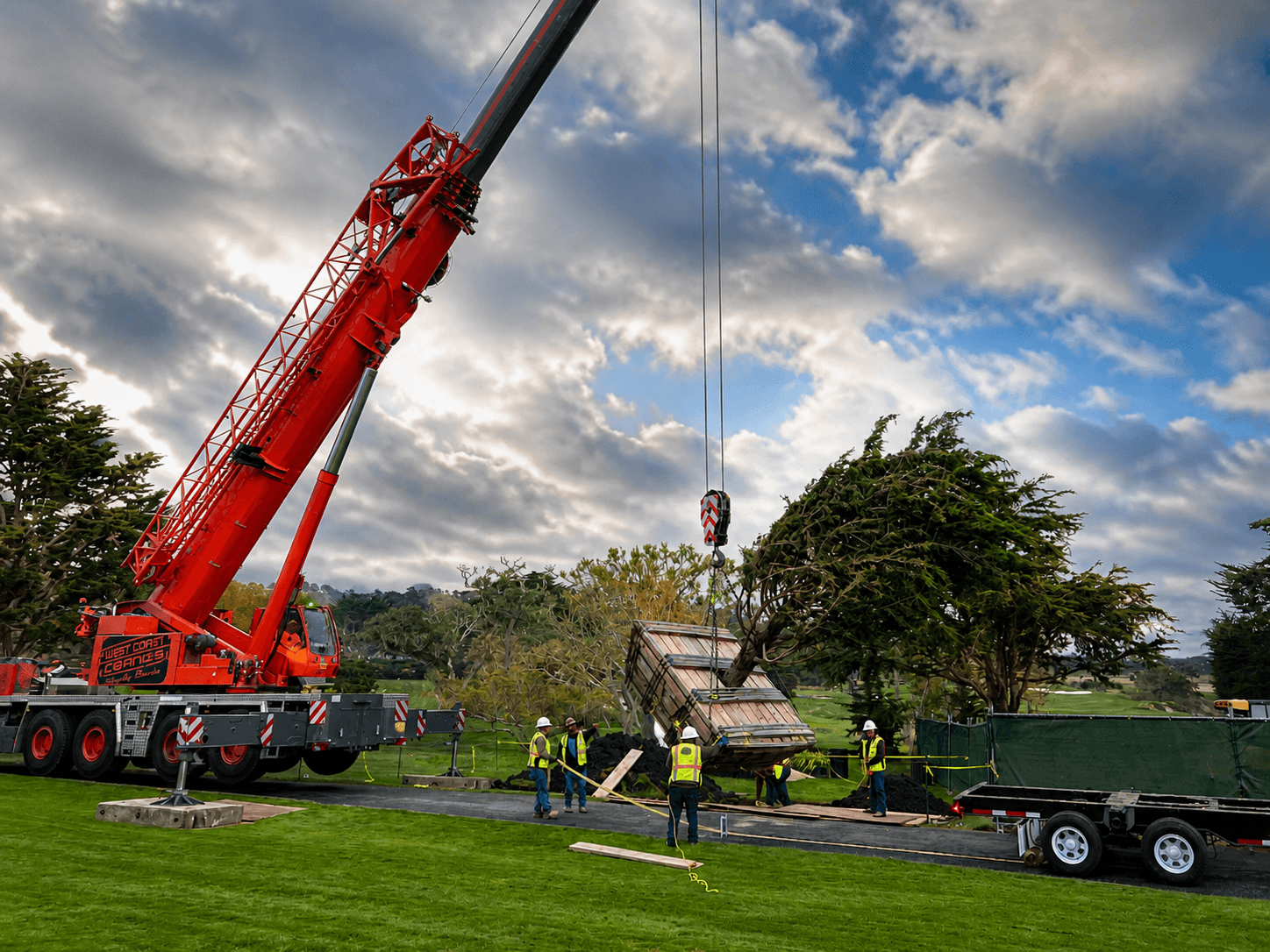
The transplant was executed over five days. Using our patented ArborLift® system, the tree was lifted with minimal disturbance to its root structure and moved across the first, second, third, and eighteenth fairways on a roadway of plywood, with golf operations continuing throughout the entire process. Players watched as one of the largest transplants in golf history made its way to its new home beside the 18th green.

Once in place, the root ball was backfilled with soil from the original site, bunkers were rebuilt, affected turf was restored, and the support cables were secured. Within six days of the transplant beginning, the hole had been transformed.

Pebble Beach -
Pebble Beach -

Why This Project Matters

The 18th hole at Pebble Beach is one of the most recognized finishing holes in golf, and the cypress tree guarding it is central to that identity. It narrows the approach corridor, forces a decision, and creates the strategic tension that has defined the hole for more than a century.
When the original Monterey Pine was lost to pitch canker disease, restoring the hole meant more than planting a replacement. It meant finding the right tree, moving it with precision, and ensuring it would thrive. EDI’s 25-year relationship with Pebble Beach and four decades of large tree relocation experience made it possible, and the course never closed for a single day during the process.
Most recently, in April 2026, a second cypress sourced from the 17th hole at Spyglass Hill was added to the 18th fairway ahead of the 2027 U.S. Open, restoring the strategic challenge lost to a December 2014 storm. One more chapter in a long commitment to preserving one of golf’s most iconic landscapes.

National Media Coverage

The work at Pebble Beach has earned national attention from the publications that cover golf courses most closely.

Golf Digest covered the April 2026 transplant, noting that the new cypress restores the hole to its original design intent and brings back the look that was lost in the 2014 storm. Pebble Beach is ranked ninth on Golf Digest’s list of America’s Top 100 Greatest Golf Courses, a course where every detail of the landscape carries weight.

Golfweek also covered the project, reporting on the move as Pebble Beach prepares to host the 2027 U.S. Open. Golfweek, which ranks Pebble Beach among its Best Classic Courses, obtained images of the large crane lifting the cypress into position and confirmed the tree’s origin at Spyglass Hill.
The attention is a reflection of what this project represents. Moving a mature cypress onto one of the most photographed and televised holes in professional golf, in a way that restores both the visual character and the strategic challenge of the hole, is the kind of work that the golf world notices. For Environmental Design, it is simply the standard.

View the full project gallery above to see the transplant process from root preparation through final placement.

Pebble Beach -

Do You Have A Project Similar To This One?

Reach Out Today To See If EDI Can Help.