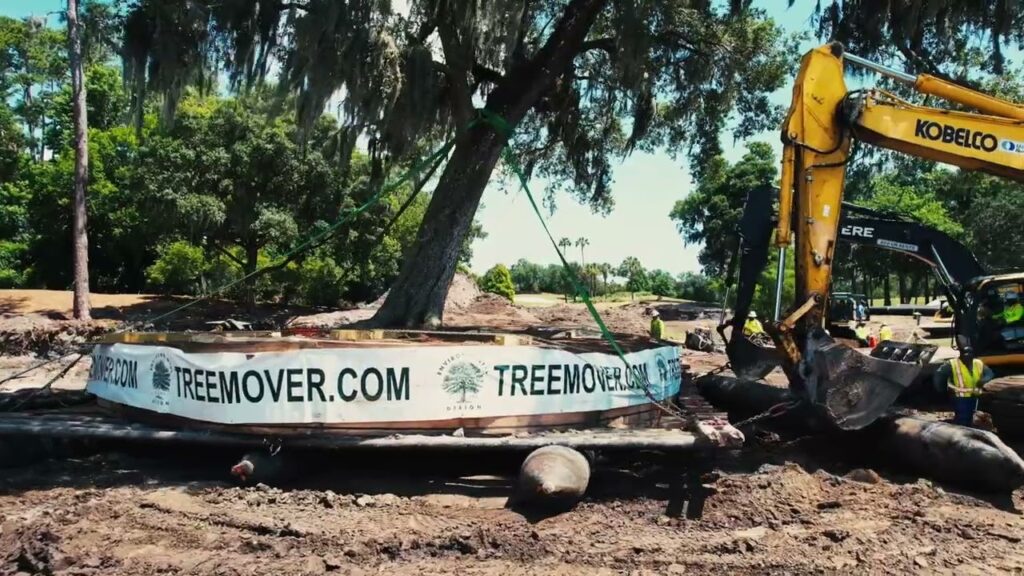
EDI In The Press: Environmental Design Builds Banyan Tree in the Bellagio Conservatory
Jan. 22, 2006 Copyright οΎ© Las Vegas Review-Journal
Doomed banyan tree finds new home at Bellagio Conservatory - Florida community sees beloved tree saved from wood chipper -- at least for now
By SONYA PADGETT / REVIEW-JOURNAL
Palm Beach, Fla., is a tree-loving community.
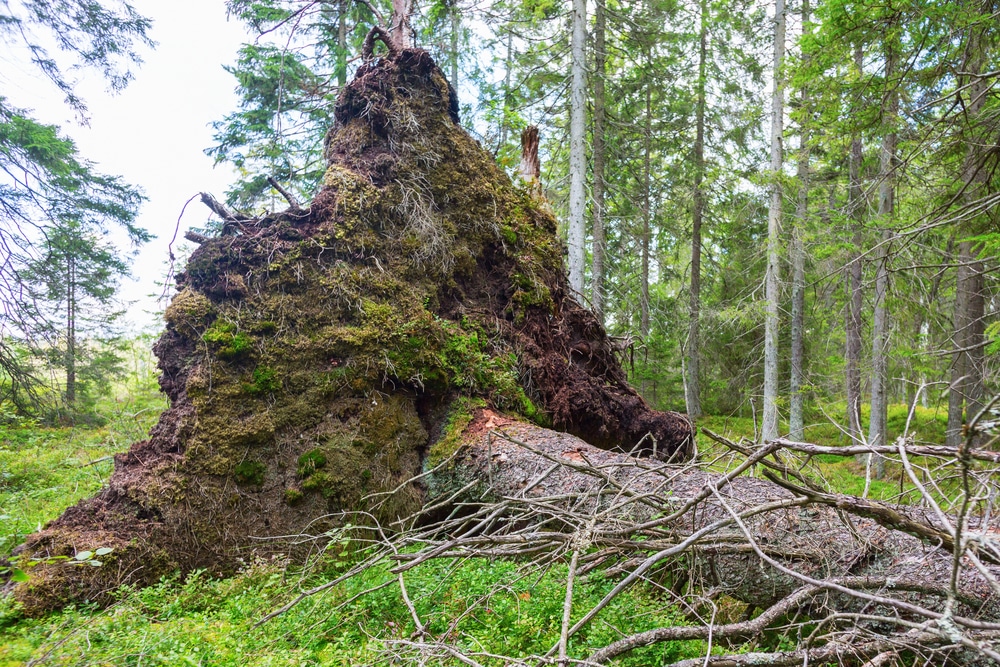
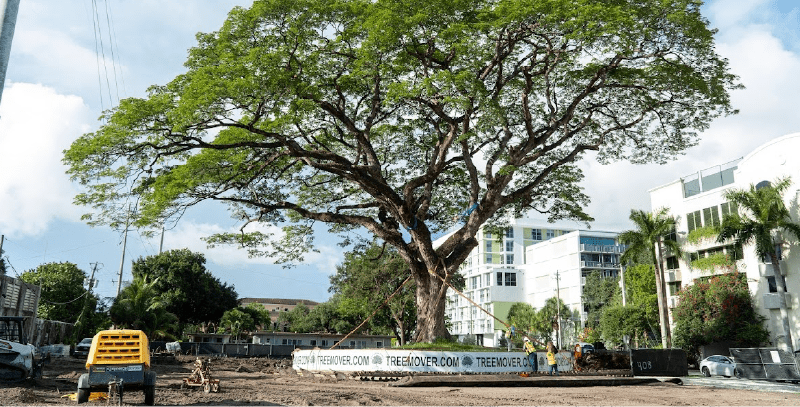
Residents especially loved a 110-foot-tall banyan tree that was more than a century old. Standing along the main road leading into Palm Beach, the tree was so grand and so beloved that a donor gave thousands of dollars for floodlights to illuminate the tree at night. It was with great sadness that the town bid farewell to that tree last June, not felled by man but brought down by a disease that threatened the rest of the barrier island's trees.
And though seven months later it's dead, the massive ficus still has a life, of sorts. Last week, the 200,000-pound banyan became the focal point of Bellagio Conservatory's Chinese New Year display. It will remain in the conservatory for the next 11 months.
"My instinct said, 'Do it, do it, do it,' " Audra Danzak, director of horticulture at Bellagio, said of the opportunity to bring the tree to the hotel.
When she first heard about the banyan and the fate it faced -- a date with a bulldozer and a wood chipper, because it was stricken with the incurable fungus hypoxylon canker -- Danzak went to see the tree. Her visit in June came just days before it was scheduled for destruction. Danzak promptly set about convincing the keepers of the tree, the Society of the Four Arts in Palm Beach, that she was serious about taking the banyan to Las Vegas.
Ervin Duggan, president of the Society of Four Arts, a nonprofit organization dedicated to meeting the cultural needs of the community, was on vacation when he received a phone call about the conservatory's interest.
It was something of a sore spot in the community, the fact that the tree had to go, Duggan said. It was supposed to serve as the central piece of a $5 million sculpture garden planned by the society. They made every effort to save it, medicating the tree, feeding it and hoping, Duggan said.
"There was great unhappiness for the loss of the tree. People were resigned, but sad," he said. In the phone call, he was told: "You're not going to believe this. The tree wants to go to Las Vegas."
"I said, 'We will happily give them the tree,' " he recalled, chuckling. "People liked the idea of us doing it," Danzak said. "There was no research on rebuilding a banyan tree. We didn't know how the wood would react. We didn't know if it would lose all of its weight and fall apart."
But being a horticulturist is a lot like being a doctor, she said. When it comes to outcomes, sometimes you just have to guess and hope for the best.
After consultations with other tree specialists, the decision was made in a matter of days and the tree was saved from obscurity. It took Danzak's team about a week in June to dismantle the tree and prepare it for transport to Las Vegas.
Before the banyan left Palm Beach, the fungus had to be removed so it wouldn't spread on the drive west, Danzak noted.
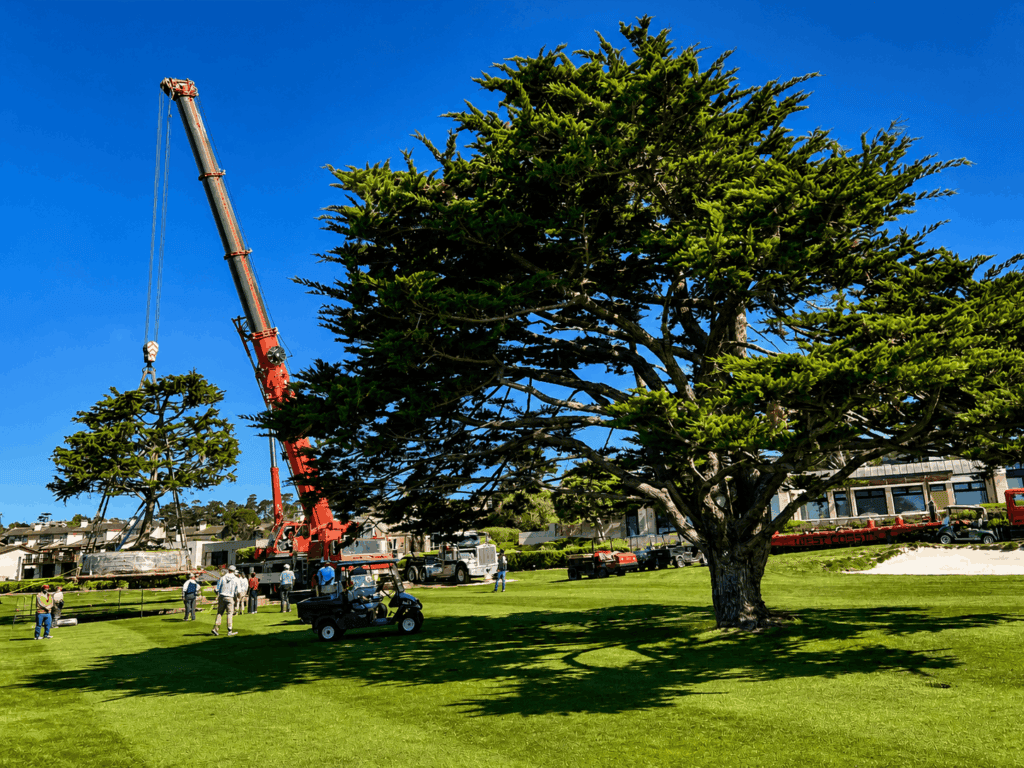
Bellagio paid the removal and transportation costs for the banyan, Duggan said. A schematic of the tree was made to serve as a pattern for reconstruction. Each section was labeled, then put on a 52-foot tractor-trailer. It took 12 trucks to carry the entire tree and 10 days for it to arrive.
All of this, dismantling a banyan, transporting it cross country and rebuilding it, was horticultural virgin territory. It was rife with uncertainty, just the kind of situation that Danzak relishes. In a sense, it is a dream come true for her, even though she said she lost "a lot of nervous sleep for this tree."
Once it reached Las Vegas and before it was installed in the conservatory, the tree had to be dried out. The conservatory staff built a tarp in the nursery where the tree sat for months. It had to be treated with a preservative, and a plan for rebuilding had to be formulated. There was no way to install all of the banyan, because, at 200,000 pounds, its weight surpassed what the conservatory floor could safely hold, Danzak said. Once it dried out, it lost some of its weight and they were able to use about 80 percent of the tree, Danzak said. The part that was installed weighs about 180,000 pounds, she added. The leftover portions of the tree will be kept on-hand for the Bellagio floral staff to use in other arrangements or displays.
In the end, the installation process went much smoother than anticipated. Instead of the projected five days for installation, it took one and a half.
Danzak has always wanted a banyan tree in the conservatory but it seemed like a pipe dream. Banyans, indigenous to humid climates such as Florida and Hawaii, can reach more than 60 feet in height. Giant aerial roots attach to branches and over time, the tree expands in a sense. They grow so large that Danzak thought they'd never get one into the conservatory, with its 52-foot ceiling.
"I've always liked banyan trees. I've always said how cool would it be to have a banyan tree in the conservatory?" she said. "Years ago, when I went to Maui, I saw a banyan tree that they built a market in. I just like trees. In horticulture, you take a liking to something. I like trees."
A garden has been planted within the tree and guests can walk through it to view the orchids, bromilliads, mums and other plants and flowers. In a future display, the tree will serve as a butterfly habitat. There are no plans for the tree once its 11 months in the conservatory are up but representatives are exploring options.
NOTE: There are other types of media to browse for this article. Please click any icon on the right to explore further.